Airbnb Rules in Wisconsin: Complete 2026 Compliance Guide for Hosts
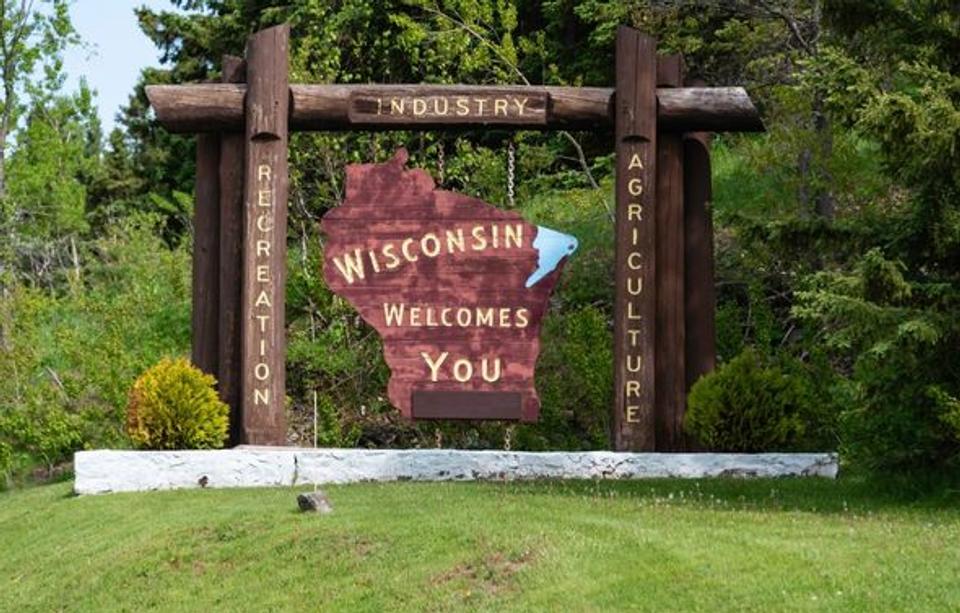

Wisconsin’s short-term rental laws operate under a hybrid regulatory system shaped by state law and extensive local oversight enforced by cities, counties, and other political subdivisions across the state of Wisconsin. While Wisconsin does not impose a single statewide short-term rental license, short-term rentals, including Airbnb listings are regulated through a combination of state-level requirements and locally adopted rules that vary across counties and townships. As a result, operators must navigate a layered compliance environment involving licensing, zoning, taxes, and operational standards.
This guide explains the Airbnb rules in Wisconsin that apply to vacation homes, tourist cabins, rooming houses, and other lodging places. It focuses on regulatory obligations ranging from tourist rooming house license requirements and zoning approvals to room tax, reporting obligations, and ongoing compliance standards enforced by state agencies and local authorities.
Disclaimer: This article is for informational purposes only and does not constitute legal or tax advice.
What this guide covers
This guide provides detailed information on short-term rental regulations in Wisconsin, explaining how state agencies and local authorities regulate short-term rental activity across the Badger State. It outlines how licensing, zoning, health, and tax requirements apply to properties accommodating tourists for a short period of time.
The content focuses exclusively on legal and compliance considerations. It does not include hosting tips, pricing strategies, or marketing advice unrelated to regulatory obligations.
Who this is for
This guide is written for short-term rental owners, property owners, and property managers operating or planning to operate Airbnb and vacation rental properties in Wisconsin. It is also relevant for those managing vacation homes, tourist rooming houses, or other lodging places across multiple jurisdictions.
Whether you manage a single property or oversee a growing short-term rental business, this resource is designed to help you understand Wisconsin’s regulatory landscape clearly and efficiently.
Why this matters
Enforcement of short-term rental regulations in Wisconsin increasingly occurs at the local level, with zoning departments and inspectors actively monitoring compliance in certain counties and high-tourism areas. Operating without proper authorization can lead to fines, permit denial, or orders to stop renting until issues are resolved.
Because requirements vary significantly between locations, compliance in one area does not guarantee compliance elsewhere. Understanding how statewide rules interact with local controls helps operators avoid costly mistakes and unexpected enforcement actions.
What you’ll learn
In this guide, you’ll learn about:
How state law regulates short-term rentals alongside local oversight
When a tourist rooming house license or hotel license may be required
How zoning approvals and land-use rules affect rental operations
Room tax and other lodging-related tax obligations
Operational standards related to safety, insurance, and guest management
Understanding Wisconsin’s short-term rental legal framework
Wisconsin regulates short-term rentals through a combination of state statutes and locally enforced rules that apply to properties rented for fewer than seven consecutive days. Rather than issuing a single universal permit, the state establishes baseline requirements while allowing counties, cities, towns and local municipalities to adopt additional local ordinances through zoning, health, and licensing regulations.
This framework reflects Wisconsin’s long-standing approach to lodging regulation, which treats short-term rentals as part of the broader ecosystem of lodging places and rooming houses. Properties used for accommodating tourists on a short-term basis are regulated differently than long-term residential rentals, triggering additional ordinances like distinct licensing, inspection, and tax obligations.
State vs. local authority in Wisconsin
At the state level, Wisconsin establishes core definitions and licensing categories for short-term rentals, including tourist rooming houses, bed and breakfast establishments, tourist cabins, and certain private boarding arrangements. These categories determine which agency oversees licensing and what standards apply.
Local laws may limit rentals between 7 to 29 days to a maximum of 180 rental days per year, which can sometimes be required to be consecutive.
Local governments can also retain authority over land use and zoning. As a result, towns, villages, and counties may impose additional rules related to where rentals may operate, occupancy limits, parking spaces, or neighborhood compatibility.
Enforcement practices can vary significantly by location. Property managers and hosts operating in larger urban areas such as Milwaukee and Madison often report stricter enforcement of short-term rental regulations compared to vacation-oriented destinations, where oversight may focus more heavily on licensing and tax compliance.
Wisconsin enacted a Right to Rent law in 2017 that prevents municipalities from prohibiting rentals lasting seven consecutive days or longer. However, local governments may place restrictions on rentals shorter than seven days, provided those rules do not conflict with state law.
Homeowner association restrictions
Properties located within a homeowner association (HOA) may be subject to rules that are separate from state or local short-term rental regulations. Homeowner associations are not considered political subdivisions under Wisconsin’s Right to Rent framework and may impose their own restrictions.
Many homeowner associations place partial or complete bans on short-term rentals to align with community goals, shared property use rules, or noise concerns. Even if a rental is permitted under state and local rules, HOA bylaws may prohibit short-term stays entirely.
If a residence is part of a homeowner association, it is critical to review governing documents before listing the property. Inactive associations can be revived, and associations may vote to prohibit short-term rentals in the future.
Standard short-term rental definitions in Wisconsin
Short-term rental activity in Wisconsin is generally defined by length of stay rather than booking platform. Rentals offered for fewer than seven consecutive days are typically treated as transient lodging.
Depending on how a property is used, it may fall into different regulatory categories:
A tourist rooming house typically involves renting one or more rooms within a property
Bed and breakfast establishments usually involve owner-occupied properties offering lodging and, in some cases, meals
Entire-home vacation rentals may be classified differently depending on zoning and licensing rules
These distinctions determine which licenses apply and what approvals are required before accepting guests.
Licensing requirements and application process in Wisconsin
Operating short-term rentals in Wisconsin generally requires obtaining necessary licenses, such as a lodging license before accepting guests. Licensing requirements depend on whether a property is classified as a tourist rooming house, bed and breakfast establishment, hotel, or another regulated lodging type.
For most operators renting for a short period and accommodating tourists, licensing is administered at the state level, with additional approvals sometimes required by counties or other political subdivisions. Many municipalities require registration with local authorities prior to listing an Airbnb property.
Tourist rooming house license requirements
The most common license for Wisconsin short-term rentals is the tourist rooming house license. This license applies to rooming houses and similar properties where sleeping accommodations are provided to guests for fewer than seven consecutive days.
A tourist rooming house may include:
Single-family homes or portions of a home
Vacation homes rented on a short-term basis
Certain tourist cabins and private boarding arrangements
Anyone who rents their residence for more than 10 nights a year must purchase a tourist rooming house license from the Department of Agriculture, Trade and Consumer Protection (DATCP).
The total cost for a tourist rooming house license in Wisconsin is $110 with a one-time $300 pre-inspection fee. Anyone who rents their residence for more than 10 nights per year is generally required to obtain this license. License periods are annual, and license dates extend from July 1 through June 30. The licensing process typically takes two to four weeks, assuming the property passes inspection.
Bed and breakfast establishments and hotel licenses
Properties that offer both lodging and meals may fall under bed and breakfast establishments, which are regulated separately from tourist rooming houses. These breakfast establishments typically involve owner-occupied properties where the owner lives on-site.
Larger or multi-unit lodging operations may require a hotel license instead. Correct classification is critical, as applying for the wrong license can delay approval.
Documentation and application materials
Applications generally require detailed information about the property, including:
Proof of ownership or a valid lease agreement
A site plan showing layout and access points
A floor plan identifying sleeping accommodations
Disclosure of cleaning fees and rental terms
Confirmation of liability insurance coverage addressing guest stays and property damage
Some jurisdictions also require zoning confirmation before a license is issued.
Local zoning approvals and county-level examples
While licensing is handled at the state level, zoning approvals are often enforced locally. Some areas require zoning clearance or review before rentals may operate.
Examples of Wisconsin cities that need local zoning permits include:
Milwaukee County, where parking and occupancy may be reviewed
Oneida County, where coordination with planning and health offices may be required
Walworth County and Lake Geneva, where neighborhood compatibility standards affect approvals
High-tourism destinations such as Wisconsin Dells, Green Bay, and Sister Bay may impose additional conditions related to parking or gatherings for short-term rental businesses.
Operational rules and compliance standards
Once licensed, short-term rentals must comply with ongoing operational standards focused on safety, habitability, and neighborhood impact. These standards apply throughout the license period and may be reviewed during inspections or complaint investigations.
Safety, habitability, and property standards
Regulated lodging properties must meet minimum health and safety standards enforced by the Wisconsin Department of Agriculture, Trade and Consumer Protection or a designated inspector. In addition to physical safety requirements, many jurisdictions impose occupancy limits, typically allowing two guests per bedroom, with additional occupants permitted only as specified by local regulations or license terms.
Expectations for compliant short-term rentals generally include:
Safe and clean sleeping accommodations
Working smoke and carbon monoxide detectors
Adequate sanitation and ventilation
Maintenance practices aimed at preventing injury and property damage
Liability insurance if things go wrong
Occupancy, noise, and guest conduct
Operational rules commonly address guest behavior, including:
Occupancy limits tied to bedroom count
Quiet hours designed to prevent excessive noise
Restrictions on large gatherings or outdoor events
Parking and exterior use requirements
Many jurisdictions require adequate on-site parking spaces and may restrict street parking, signage, or exterior lighting.
Cleaning, maintenance, and readiness
Regular cleaning between stays, transparent cleaning fees, and timely repairs help ensure compliance and protect property condition over time.
Tax obligations and financial requirements
Short-term rental activity in Wisconsin involves several lodging-related tax obligations that apply to short-term rentals. Tax oversight has increased as short-term rentals have become a growing industry across the state of Wisconsin.
Wisconsin short-term rental tax overview
Tax type | Rate | Applies to | Notes |
State sales tax | 5% | ≤ 29 nights | Applied to listing price |
County sales tax | 0.5% | Many counties | Varies by location |
Local room tax | Varies | Cities & counties | Often applies to total stay |
Milwaukee exposition tax | 3% | Milwaukee County | Short-term stays |
City of Milwaukee room tax | 7% | City of Milwaukee | In addition to county tax |
Premier resort area tax | 0.5%–1.25% | Designated resort areas | Common in tourism zones |
Failure to comply with tax obligations may result in penalties of up to 25% of unpaid taxes, plus 1% monthly interest. Many operators consult a tax professional to ensure you are meeting state and local requirements.
Common challenges and solutions
Managing short-term rentals in Wisconsin often involves navigating regulatory complexity, property upkeep, and guest behavior expectations. While requirements vary across the state of Wisconsin, several recurring challenges affect hosts operating vacation homes, rooming houses, and other lodging places.
Challenge 1: Understanding how a property is classified
Why it happens: Different property types such as tourist rooming house setups, private boarding, or tourist cabins are regulated differently under state law, which can create confusion during setup or expansion.
Solution: Confirm how your property is classified before accepting guests, especially when renting for a short period or modifying the layout, such as adding sleeping accommodations.
Challenge 2: Managing guest behavior and neighborhood impact
Why it happens: High guest turnover can lead to complaints related to excessive noise, parking, or misuse of shared spaces, particularly in high-demand areas like Wisconsin Dells or Lake Geneva.
Solution: Set clear house rules, limit gatherings, and provide instructions for parking spaces and quiet hours to reduce disruptions and protect long-term viability.
Challenge 3: Tracking income, fees, and wear-and-tear
Why it happens: Frequent bookings, variable rent, and recurring cleaning fees make it harder to track income and assess ongoing property damage risks.
Solution: Maintain detailed records of bookings, fees, and maintenance, and periodically review financial performance to ensure the rental continues generating extra money without compromising the property.
Penalties and enforcement actions
Enforcement related to short-term rentals in Wisconsin is primarily complaint-driven, with inspections or investigations triggered by concerns from neighbors, safety issues, or unlicensed activity. Oversight typically involves state agencies and county-level authorities, depending on how a property is classified and where it operates.
Enforcement authority is commonly exercised by the Wisconsin Department of Agriculture, Trade and Consumer Protection, along with designated inspectors and local partners responsible for lodging oversight and trade compliance.
Common violations
Typical enforcement actions arise from:
Operating a tourist rooming house or rooming houses without an active license
Failing to meet health or safety standards related to sleeping accommodations
Repeated guest-related issues such as parking misuse or excessive noise
Misreporting rental activity or required fees
These violations may be identified through inspections, complaint reviews, or audits of publicly listed properties.
Consequences and corrective actions
Penalties may include written warnings, fines, or orders to stop renting until issues are resolved. In more serious cases, license suspension or revocation can occur, particularly when violations involve repeated non-compliance or unresolved safety concerns.
Most enforcement actions allow for corrective steps, requiring operators to address deficiencies, update documentation, or complete follow-up inspections before resuming rental activity.
Conclusion and next steps
Short-term rentals continue to play an important role in Wisconsin’s tourism economy, offering flexible lodging options across the state of Wisconsin while creating opportunities for hosts in a growing industry. At the same time, operating these rentals requires ongoing attention to licensing, operations, and tax responsibilities tied to how properties are classified and where they are located.
Because requirements can differ across counties, resort areas, and residential communities, successful operators take a proactive approach: confirming classifications, monitoring renewal timelines, and maintaining compliance as their rental activity evolves. Staying informed helps protect both rental income and long-term property value.
Next steps to stay compliant
Confirm how your rental is classified based on how it accommodates guests
Review license terms regularly, including when license dates extend or renew
Track rent, cleaning fees, and booking activity consistently
Monitor updates from the Wisconsin Department of Agriculture, Trade and Consumer Protection and other relevant Wisconsin departments
Taking these steps supports continued operation while reducing the risk of enforcement actions or unexpected disruptions.
Additional resources
The Wisconsin Department of Agriculture, Trade and Consumer Protection provides licensing guidance, inspection standards, and renewal information for tourist rooming houses and other regulated lodging places. County planning and health offices offer clarification on zoning, inspections, and property-specific requirements.
For tax-related questions, state and local revenue authorities publish guidance on room tax administration and reporting. Many operators also consult a tax professional to confirm how rent, cleaning fees, and other charges should be reported.
Local planning and zoning offices in high-tourism areas such as Milwaukee County, Walworth County, Lake Geneva, Wisconsin Dells, and Green Bay are useful points of contact for location-specific requirements and updates.
FAQs
Can a short-term rental license be transferred if a property is sold in Wisconsin?
In most cases, lodging licenses are not transferable between owners. When a property changes hands, the new owner is typically required to apply for a new license and undergo any required inspections before offering short-term stays. Buyers should factor licensing timelines into closing and transition plans.
Do platforms like Airbnb automatically handle all Wisconsin room taxes?
Platforms may collect and remit certain taxes in some jurisdictions, but coverage is not universal. Hosts remain responsible for confirming whether all applicable room taxes are being collected correctly and whether additional reporting or registration is required for direct bookings or platform gaps.
How do renovations or layout changes affect compliance?
Changes such as adding bedrooms, modifying a floor plan, or increasing sleeping capacity can affect how a property is classified and inspected. Significant alterations may require updated documentation or reinspection before continuing to accommodate guests.
Are short-term rentals allowed in rural areas or unincorporated townships?
Yes, but rules can differ significantly in unincorporated areas. Most townships regulate short-term rentals through county-level zoning and health oversight, which may impose different standards than those found in cities or villages.
Can a property be used occasionally for short-term stays without a license?
Even occasional rentals may trigger licensing and tax obligations if guests are accommodated for a short stay in exchange for payment. Renting for a limited number of nights does not automatically exempt a property from regulatory requirements.
Ready to find out how Hostaway can transform your business?