Airbnb rules in Santa Monica: A 2026 compliance guide for hosts
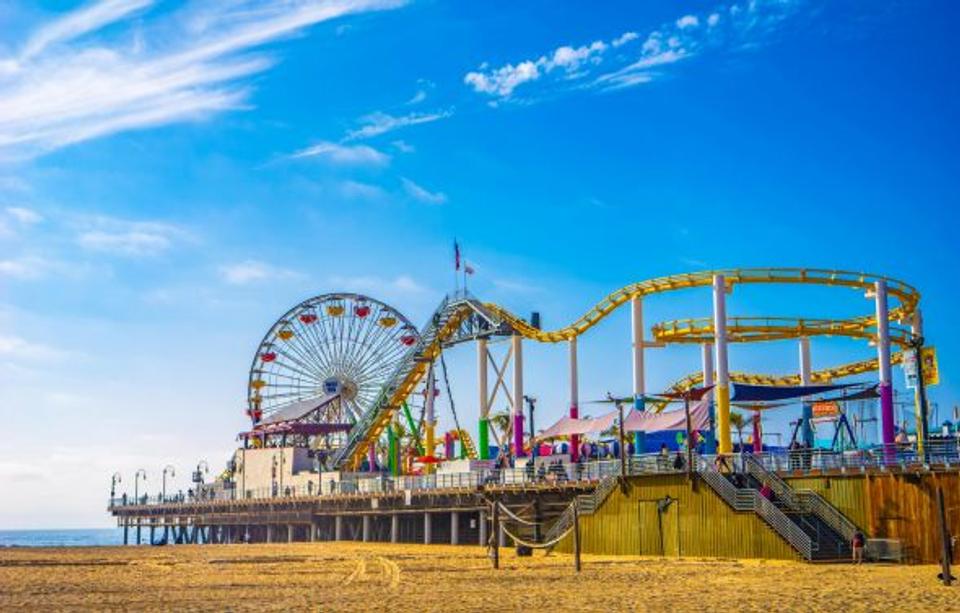

Santa Monica is one of the most attractive coastal cities in California. Located within Los Angeles County and home to landmarks like the Santa Monica Pier, it attracts millions of visitors each year. That demand has made short-term rentals an appealing opportunity for property owners and Airbnb hosts looking to generate income from a rental property.
But operating an Airbnb in Santa Monica is not straightforward.
Unlike many other cities in Los Angeles or across California, Santa Monica has taken a strict approach to regulating short-term rentals. Over the years, the city has introduced a detailed home-sharing ordinance designed to protect housing supply, reduce neighborhood disruption, and limit the growth of vacation rentals.
As a result, Santa Monica is now one of the most tightly controlled short-term rental markets in the United States.
If you plan to operate a short-term rental business in Santa Monica, understanding these rules is essential. Operating outside the law can result in substantial fines, permit suspension, listing removal from hosting platforms, and long-term restrictions on your ability to operate.
This 2026 compliance guide explains how Airbnb rules in Santa Monica work today, including licensing requirements, operational rules, tax obligations, and enforcement policies.
What this guide covers
This comprehensive guide explains Santa Monica short-term rental regulations, including the home-sharing ordinance, permit and business license requirements, registration process, operational rules, transient occupancy tax obligations, enforcement policies, and the steps required to operate legally.
This guide focuses exclusively on legal compliance. It does not cover general hosting strategies, pricing optimization, or marketing advice unrelated to Santa Monica Airbnb rules.
Who this is for
This guide is designed for current and prospective short-term rental hosts in Santa Monica, including:
Property owners considering entering the short-term rental market
Hosts currently operating Airbnb listings in the city
Real estate investors evaluating short-term rental viability
Property managers overseeing short-term rental units in Los Angeles
Whether you are launching your first Airbnb or ensuring your rental business remains compliant, this guide provides clear explanations and practical compliance steps.
Why this matters
Santa Monica actively enforces its short-term rental regulations.
The city monitors listings across major booking platforms and investigates complaints related to illegal short-term rental activity. Enforcement officers can issue citations, suspend permits, and impose substantial fines for violations.
Compared to other cities in California, Santa Monica is significantly more restrictive. While cities like Los Angeles or San Diego allow broader short-term rental operations, Santa Monica limits activity almost entirely to home sharing.
These rules directly affect:
whether you can operate a short-term rental property
how your rental business must be structured
your potential gross rental income
Understanding the legal framework before listing is essential to avoid costly enforcement actions.
What you’ll learn
By the end of this guide, you will understand:
How short-term rentals are regulated in Santa Monica
The difference between home sharing and vacation rentals
The licensing process and required permits
Operational rules for short-term rental hosts
Tax obligations, including transient occupancy tax
Common compliance challenges and enforcement risks
Understanding Santa Monica short-term rental laws
Santa Monica defines short-term rentals as stays of 30 consecutive days or less. However, the city does not treat all short-term rental activity equally. Instead, it distinguishes between two categories: home sharing and vacation rentals.
Home sharing vs vacation rentals
The home-sharing ordinance is the foundation of Santa Monica Airbnb rules.
Home sharing is the only legal form of short-term rental activity in the city. It allows hosts to rent one or more bedrooms in their primary residence while remaining physically present during the guest’s stay.
Vacation rentals, on the other hand, are prohibited. A vacation rental includes the following:
renting an entire home on a short-term basis
renting a second home or investment property
allowing guests to stay without the host present
Under Santa Monica law, renting a property without living on-site is considered a violation, even if the rental period is short
This distinction is critical because it limits the types of short-term rental business models that can legally operate in the city.
Why Santa Monica restricts short-term rentals
Santa Monica’s approach to short-term rental regulations is driven by concerns about housing supply and neighborhood stability.
City officials have argued that unrestricted vacation rentals reduce the availability of long-term housing and contribute to rising rents. By limiting short-term rentals to primary residences, the city aims to prevent residential properties from being converted into full-time rental businesses.
This policy places Santa Monica among the strictest short-term rental markets in the United States.
Who can legally operate an Airbnb in Santa Monica?
Not everyone can operate a short-term rental in Santa Monica. Eligibility is based on strict residency and occupancy requirements.
Primary residence requirement
You can only operate a short-term rental in your primary residence.
To qualify, you must:
live in the property full-time
provide documentation proving residency
intend to remain in the property
The city requires official documents such as driver’s licenses, voter registration records, or utility bills to verify primary residency. This requirement prevents investors from using multiple rental units as short-term rental properties.
Host presence requirement
In addition to primary residency, the host must be physically present during the rental period.
This means:
you cannot rent your property while traveling
you cannot leave guests alone in the unit
you must maintain a physical presence in the home
If you rent your entire home while absent, the activity is classified as a vacation rental and becomes illegal.
Licensing requirements and application process
Operating a short-term rental business in Santa Monica requires completing a formal licensing process. You must obtain both a home-sharing permit and a business license before listing your property.
Home-sharing permit
The home-sharing permit is the primary authorization required to operate legally. To apply, you must submit:
property details, including square footage and number of bedrooms
maximum occupancy limits
proof of primary residency
information about the hosting platform you plan to use
The application includes a $100 fee and must be approved before any short-term rental activity begins
Business license
In addition to the permit, the city requires a business license. This license:
is based on your gross rental income
starts at a minimum annual fee
applies to all rental business activity
You cannot legally operate without both approvals.
Registration number requirement
Santa Monica requires all short-term rental hosts to display a valid registration number on their listing.
This includes:
permit number
business license number
Hosting platforms such as Airbnb require this information before allowing listings to go live.
Operational rules for short-term rental hosts
Once approved, hosts must comply with detailed operational rules. These rules are designed to limit disruption and ensure safety.
Occupancy limits
Santa Monica enforces strict occupancy limits based on multiple criteria. In most cases, the total number of overnight guests cannot exceed ten people, one person per 200 square feet, or two persons per bedroom. The city applies whichever limit is lowest, meaning larger properties do not automatically allow higher occupancy.
Listing and booking restrictions
Short-term rental hosts in Santa Monica face limits on how they operate their listings. A host can post a maximum of two listings per hosting platform and accept no more than two bookings at the same time. In addition, each host is limited to a single home-sharing permit, which prevents scaling a rental business across multiple properties.
Safety requirements
All short-term rental units must comply with local safety codes and building regulations. This includes installing smoke detectors, carbon monoxide detectors, and fire protection equipment throughout the property, as well as providing guests with clear emergency exit information. Hosts are responsible for ensuring their rental property meets all applicable health and safety standards at all times.
Noise and nuisance rules
Hosts are responsible for guest behavior during short-term rental stays. This includes preventing unreasonable noise, parties, and any disturbances that could affect neighbors. Violations of local noise ordinances or nuisance rules can trigger complaints, inspections, and enforcement actions from the city.
Tax obligations and financial requirements
Operating a short-term rental in Santa Monica comes with specific tax responsibilities that apply to all short-term rental hosts. These obligations are enforced by the city and must be handled correctly to maintain compliance.
Transient occupancy tax (TOT)
Santa Monica imposes a 14% transient occupancy tax (TOT) on all short-term rental stays of 30 days or less. This tax is calculated based on the total listing price and must be collected directly from guests at the time of booking. Hosts are responsible for remitting this tax to the city, either independently or in coordination with a hosting platform. TOT is a mandatory requirement under Santa Monica law and failure to comply can lead to penalties and enforcement action.
Additional fees
In addition to the transient occupancy tax, hosts must collect a $2 per night fee for each short-term rental stay. This fee applies alongside TOT and must also be remitted to the city. Both taxes apply to the full rental amount, including cleaning fees and any additional charges. To remain compliant, hosts must register with the city’s finance department, track all rental income carefully, and maintain accurate financial records for reporting and verification purposes.
Compliance overview for Santa Monica hosts
Requirement | Details |
Rental type | Home sharing only |
Primary residence | Required |
Host presence | Required |
Vacation rentals | Prohibited |
Permit | Home-sharing permit required |
Business license | Required |
Registration number | Required on listing |
Occupancy limits | Strict limits apply |
Tax | 14% TOT + $2 night fee |
Enforcement | Fines exceeding $1,000/day |
Common challenges and solutions
Maintaining compliance with Santa Monica short-term rental regulations requires careful attention to documentation, residency requirements, and operational rules that frequently trigger enforcement.
Challenge 1: Misunderstanding the home-sharing requirement
Solution: Rent only space in your primary residence and remain present during guest stays. Entire home rentals without host presence are considered illegal vacation rentals and are aggressively enforced.
Challenge 2: Incomplete licensing process
Solution: Obtain both a home-sharing permit and a business license before listing your rental property. Include your permit number on all listings to meet platform requirements.
Challenge 3: Failing to prove primary residency
Solution: Prepare at least two qualifying documents showing your Santa Monica address and ensure they reflect long-term residency.
Challenge 4: Overlooking tax obligations
Solution: Register for transient occupancy tax and track all rental income. Ensure taxes are applied to the full listing price, including cleaning fees.
Penalties and enforcement actions
Santa Monica enforces its short-term rental laws aggressively, with a proactive approach to identifying and penalizing non-compliant short-term rental activity. The city regularly monitors listings across hosting platforms and investigates resident complaints, making enforcement a constant risk for hosts who fail to follow the rules.
Common violations include operating without a valid permit, renting an entire home rather than complying with home-sharing requirements, exceeding occupancy limits, failing to display a registration number on listings, and failing to properly collect or remit taxes. These issues often prompt swift enforcement actions, especially in high-demand neighborhoods.
Penalties can be severe. Hosts may face fines exceeding $1,000 per day, along with permit suspension or revocation and removal of listings from booking platforms. In cases of repeated violations, the city may permanently revoke a host’s ability to operate a short-term rental business in Santa Monica.
Conclusion and next steps
Santa Monica remains a high-demand short-term rental market due to its location, tourism appeal, and proximity to Los Angeles.
However, the city’s strict regulations limit how hosts can participate.
Success requires:
understanding the home-sharing ordinance
completing the licensing process correctly
maintaining ongoing compliance
For owner-occupants willing to follow the rules, home sharing can still provide a viable source of income. For investors seeking scalable vacation rentals, Santa Monica is one of the most restrictive markets in California.
FAQs
1. Can you hire a property manager to run an Airbnb in Santa Monica?
Not in the traditional sense. Because Santa Monica requires the host to live on-site during all short-term rental stays, you cannot fully outsource operations to a property manager. You may have co-hosts or assistance, but the primary resident must still be physically present during guest stays.
2. What happens if you temporarily move out of your primary residence?
If you stop living in the property—even temporarily—you can no longer legally operate a short-term rental. Renting the space while you are away would be considered a prohibited vacation rental, even if you intend to return later.
3. Is it possible to scale a short-term rental business in Santa Monica?
Scaling is extremely limited. Since hosts can only operate one home-sharing permit tied to their primary residence and must remain on-site, expanding into multiple rental units or properties is not feasible under current Santa Monica Airbnb rules.
4. Can tenants legally operate Airbnb in Santa Monica?
Yes, but only if their lease agreement allows it and they meet all home-sharing requirements. Tenants must prove long-term residency, obtain a home-sharing permit, and ensure they are not violating any landlord restrictions or building rules.
5. How do Santa Monica Airbnb rules compare to nearby cities?
Santa Monica is significantly stricter than most nearby cities in Los Angeles County. While some cities allow non-owner-occupied short-term rentals or limited vacation rentals, Santa Monica restricts activity almost entirely to hosted home sharing.
6. Are there any exceptions to the home-sharing rule?
Exceptions are extremely limited. Some unique cases, such as certain accessory dwelling units (ADUs), may have specific conditions, but the core requirement remains the same: the host must live on-site and the property must be a primary residence.
Ready to find out how Hostaway can transform your business?