Airbnb Rules in Michigan
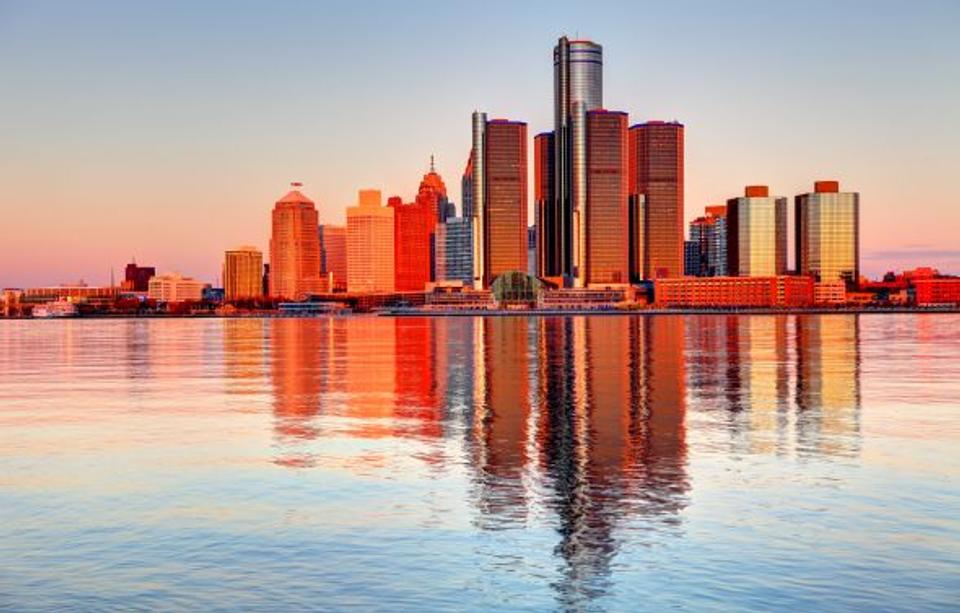

Short-term rentals are a major part of Michigan’s tourism economy, especially across the Great Lakes State in destinations like Traverse City, Ann Arbor, Detroit, and along Lake Michigan. However, Airbnb rules in Michigan are shaped less by a single statewide statute and more by a patchwork of short-term rental regulations created by local governments.
Unlike states with one uniform licensing framework, Michigan short term rental laws are primarily driven by local ordinances and local zoning laws that vary significantly depending on the city or township where the property is located. This means property owners, short-term rental hosts, and property managers must navigate different local regulations, permitting systems, occupancy limits, and safety standards based on jurisdiction.
This guide addresses the complete legal requirements to operate short-term rentals in Michigan legally, covering compliance obligations from licensing through ongoing operational standards across major jurisdictions.
What this guide covers
This comprehensive resource explains Michigan’s evolving short-term rental regulations, including:
How local governments regulate Airbnb and vacation rentals
Common local requirements such as zoning districts, safety inspections, and parking requirements
State-level tax obligations, including the 6% use tax
The role of condo associations, deed restrictions, and Michigan Supreme Court rulings
The impact of proposed legislation such as House Bill 4722
Enforcement risks for non-compliant short-term rental units
This guide excludes general Airbnb hosting tips, marketing strategies, or property management advice unrelated to legal compliance.
Who this is for
This guide is designed for current and prospective Michigan short-term rental hosts, Airbnb hosts, property owners and investors considering vacation rentals, and property managers operating short-term rental properties across Michigan’s urban centers and resort communities.
Whether you’re launching your first short-term rent listing or ensuring compliance with local authorities, you’ll find actionable regulatory guidance.
Why this matters
Michigan communities have increasingly raised community concerns about housing availability, neighborhood character, and the impact of non-owner-occupied properties on local housing needs. As a result, city officials across Michigan have implemented restrictions, special permits, and in some cases have moved to ban short term rentals in certain residential zoned areas.
Short-term rental hosts who fail to ensure compliance may face fines, license denial, or even forced closure, depending on local ordinances.
What you’ll learn
Why Michigan does not have a single statewide licensing law for short-term rentals
How local governments create short-term rental laws through zoning ordinances
Common licensing, safety codes, and operational requirements
Tax rules, liability insurance expectations, and enforcement trends
How House Bill 4722 could reshape the regulatory landscape
Understanding Michigan’s short-term rental legal framework
Michigan does not currently have one unified statewide definition of “short-term rental,” leaving local governments and state and local governments to define and regulate short-term rentals differently. Most municipalities treat short-term rentals as properties rented for 30 days or less, but definitions can vary.
Michigan’s approach differs from states with centralized rules, instead empowering local authorities to create jurisdiction-specific short-term rental regulations that address local housing, neighborhood character, and tourism-driven economic activity.
Local regulation authority in Michigan
Local municipalities in Michigan have established ordinances to manage short-term rentals, focusing on issues like:
Noise and community concerns
Off-street parking requirements
Occupancy limits tied to bedroom count
Restrictions in residential zones
Some cities restrict or ban short-term rentals in specific residential use areas, including places like Ann Arbor and Grosse Pointe Park.
Because local zoning laws differ widely, compliance depends entirely on where your short-term rental units are located.
House Bill 4722 and the debate over statewide regulation
The debate over short-term rental regulations in Michigan often centers on the balance between local control and state oversight.
House Bill 4722 proposes to standardize short-term rental laws across Michigan by classifying short-term rentals as a permitted residential use in all zoning districts. If enacted, this could limit local governments’ ability to impose their own restrictions or require separate license systems.
Local governments have expressed concerns that House Bill 4722 may undermine zoning authority and disrupt existing frameworks designed to protect local housing availability.
This legislation reflects a broader national conversation about property rights, commercial use, and community preservation.
Licensing requirements by municipality
Michigan does not have a single statewide licensing law for short-term rentals as of January 2026. Instead, licensing is handled by local governments, ranging from simple registration to strict permitting processes.
Many localities require:
A separate license or special permit
Proof of liability insurance
Safety inspections
Local contact or property manager availability
Traverse City
Traverse City is one of Michigan’s best-known vacation rental markets near Lake Michigan, and it regulates short-term rentals through a local vacation home rental licensing system. Property owners generally need to apply for a city-issued license before operating, and licenses must be renewed annually. Traverse City’s ordinance framework ties eligibility and compliance to local zoning districts, reflecting the city’s focus on managing neighborhood character and housing availability in residential areas.
Ann Arbor
Ann Arbor has some of Michigan’s clearest local restrictions on short-term rentals, especially in residential zones. The city requires hosts to obtain a short-term rental license, and in many residential districts, eligibility is limited to the owner’s principal residence rather than non-owner-occupied properties. Ann Arbor also requires listings to display the license number and maximum occupancy, showing how local governments use licensing and zoning ordinances to control short-term rental activity.
Detroit
Detroit has been developing a more formal regulatory structure for short-term rentals, including licensing requirements, local contact rules, and property safety expectations. Draft ordinance language emphasizes operational controls such as maximum occupancy, off-street parking information, and inspections tied to safety standards. Because Detroit’s framework continues to evolve, hosts and property managers should stay informed through city updates and confirm current local requirements before operating.
Operating short-term rentals in Michigan
Operating short-term rentals in Michigan requires more than simply listing a property on Airbnb. Short-term rental hosts and property owners must meet ongoing compliance obligations tied to local regulations, including safety standards, occupancy limits, parking requirements, and in some cases safety inspections or a local contact person.
Because short-term rental laws vary significantly across Michigan communities, local governments and local authorities often enforce different operational rules depending on zoning ordinances and residential use restrictions. Staying informed and ensuring compliance with these local requirements is essential for running vacation rentals legally and avoiding fines or closures.
Safety and operational requirements
Hosts may need to provide proof of meeting minimum safety standards before being allowed to rent. Common requirements include:
Working smoke detectors
Carbon monoxide alarms
Fire extinguishers
Compliance with fire safety codes
Many cities also require prominent display of emergency exit plans, local ordinances, and a local contact number.
Parking and zoning compliance
Off-street parking requirements are often tied to the number of bedrooms in short-term rental properties. Zoning ordinances may prohibit STRs in certain residential zoned areas or require conditional use permits.
Short-term rentals are often viewed as a commercial activity, which can conflict with single-family residence purposes and residential use restrictions.
Tax obligations and financial requirements
Short-term rental hosts have important financial responsibilities at the state level. In other words, while local governments handle licensing, zoning ordinances, and local regulations, state and local governments still expect Airbnb hosts and property owners to follow Michigan tax rules.
Understanding these tax obligations is a key part of operating short-term rental properties legally and ensuring compliance across the Great Lakes State.
State use tax (6%)
Hosts are required to collect a 6% Michigan state use tax on short-term rent for stays of fewer than 30 days. This applies to most vacation rentals and short-term rental units offered through platforms like Airbnb, Vrbo, or direct bookings.
Even when booking platforms collect and remit certain taxes automatically, property owners and property managers should confirm whether the tax is being properly handled for every reservation. Ultimately, short-term rental hosts remain responsible for meeting state requirements.
Keeping accurate documentation can also help provide proof of compliance if questions arise from local authorities or state tax agencies.
State income tax on rental profits
In addition to the use tax, rental profits earned from short-term rentals are generally subject to Michigan’s flat 4.25% state income tax. Income from Airbnb rules in Michigan is treated similarly to other rental business income, meaning hosts should plan for reporting rental revenue at tax time.
Depending on how the property is operated, some hosts choose to form an LLC for liability protection, although this is not strictly required unless mandated by local ordinances or condo associations.
Recordkeeping and financial best practices
Because short-term rental regulations in Michigan vary significantly by locality, hosts should maintain thorough financial records to stay informed and avoid penalties. Strong recordkeeping is especially important for non-owner-occupied properties or hosts operating multiple short-term rental units.
Recommended records include:
Nightly rent amounts and fees collected
Occupancy dates and maximum occupancy logs
Tax payments and platform remittance summaries
Licensing receipts from city officials or local governments
Proof of liability insurance if required by local ordinances
By tracking these details, short-term rental hosts can ensure compliance not only with Michigan tax rules but also with shifting local requirements that affect vacation rentals across the state.
HOA, condo association, and deed restriction rules
Michigan courts uphold the right of condo associations and HOAs to ban short-term rentals through deed restrictions limiting properties to “residential use only.”
The Michigan Supreme Court has ruled that short-term renting can be treated as commercial use, meaning HOA bans are enforceable and appeals upheld in many cases.
Property owners should always review deed restrictions before listing.
Owner-occupied vs. non-owner-occupied rentals in Michigan
Feature | Owner-occupied properties | Non-owner-occupied properties |
Licensing approval likelihood | Often easier in many cities | More restricted or capped |
Common zoning treatment | Allowed in more residential zones | Frequently limited in residential zones |
HOA/condo association bans | Still possible | More likely to be restricted |
Community concerns | Lower impact perception | Higher concern over housing availability |
Local permit requirements | Sometimes simpler | Often requires special permit or caps |
Many Michigan communities favor owner-occupied properties to preserve neighborhood character and address housing availability challenges.
Penalties and enforcement actions
Short-term rental hosts in Michigan may face fines or forced closure for failing to meet local requirements. Enforcement mechanisms include complaint hotlines, city inspections, and licensing audits.
Common violations include:
Operating without a license
Exceeding maximum occupancy
Failure to meet safety inspections
Violating parking requirements
Ignoring local ordinances
Staying informed and maintaining compliance is essential.
Conclusion and next steps
Michigan’s short-term rental regulations are defined by local governments rather than a statewide Airbnb law. The key to operating legally is understanding your city’s zoning ordinances, licensing rules, and safety standards.
To get started:
Identify your exact jurisdiction and applicable local regulations
Check zoning districts and whether STRs are permitted
Apply for any required separate license or special permit
Collect the 6% Michigan use tax and maintain good records
Ensure safety standards, liability insurance, and local contact compliance
Stay informed about House Bill proposals and shifting local requirements
With careful planning, property owners and hosts can operate responsibly while supporting Michigan’s tourism economy.
Additional resources
Hosts can obtain licensing and compliance information directly from their local governing authority, since short-term rental regulations in Michigan are largely set by local governments through zoning ordinances and local ordinances. Property owners should begin with their city or township planning department to confirm whether short-term rentals are permitted and whether a separate license is required.
For location-specific rules, hosts can consult Traverse City, Ann Arbor, and Detroit’s official short-term rental resources. For tax compliance, the Michigan Department of Treasury provides guidance on the 6% state use tax and rental income reporting. Additional support may also come from local short-term rental associations, legal professionals, and liability insurance providers familiar with vacation rental regulations.
FAQ
1. Is it easier to get approved if I live in the home I’m renting out?
In many Michigan municipalities, yes. Owner-occupied properties are often viewed as less disruptive to neighborhood character, and some cities limit STR licenses specifically to a host’s primary residence.
2. Do I need a lawyer to start a short-term rental in Michigan?
Not necessarily. Many short-term rental hosts can complete licensing, tax registration, and safety requirements without legal help. However, if your property is in a community with complex zoning ordinances, HOA deed restrictions, or ongoing enforcement disputes, consulting a local attorney can help clarify risks before investing.
3. How can I find out if my property is in a restricted zoning district?
The best way is to check your city or township zoning map or contact the local planning or zoning department directly. Many municipalities provide online parcel lookup tools, but zoning interpretations often require confirmation from local authorities.
4. Can a city change its short-term rental rules after I’m already operating?
Yes. Local governments in Michigan frequently update local ordinances as community concerns evolve. Even licensed hosts may need to comply with new occupancy limits, permit caps, or renewal requirements if regulations change over time.
5. Does Airbnb automatically handle all Michigan taxes for hosts?
Airbnb may collect certain taxes in some jurisdictions, but hosts are still ultimately responsible for ensuring full compliance. If you accept direct bookings or use multiple platforms, you may need to register and remit taxes yourself.
6. Are short-term rentals allowed on lakeside properties across Michigan?
Not always. Many Lake Michigan and Great Lakes communities have stricter short-term rental regulations due to tourism pressure and housing availability issues. Lakeside properties may face additional local requirements, caps, or residential use restrictions depending on the township.
Ready to find out how Hostaway can transform your business?