What Is the Best Reporting Tool for Vacation Rental Managers?
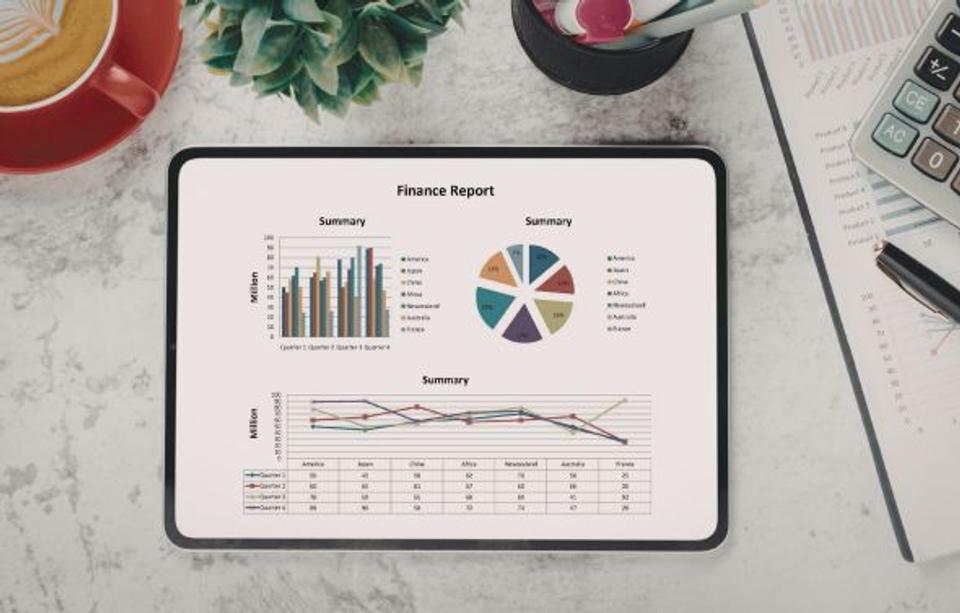

Running a vacation rental business in 2026 means making dozens of decisions every week, like pricing, bookings, owner payouts, guest communication, and more. But here's the thing: most of those decisions are only as good as the data behind them.
That's where reporting tools come in. Whether you manage two properties on Airbnb or fifty across multiple platforms, the right reporting tool can be the difference between guessing and growing.
According to a report by Allied Market Research, the property management software market was valued at USD 3.2 billion in 2023 and is estimated to reach USD 7.8 billion by 2033, growing at a CAGR of 8.9% from 2024 to 2033. That growth tells a clear story: property managers are investing in smarter tools, and reporting is at the heart of it.
This guide explores what makes a great reporting tool for vacation rental managers, what categories of tools exist, and how to find the right fit for your property management business.
Key takeaways
Reporting tools come in two main forms: all-in-one Property Management Systems (PMS) with native reporting and specialized analytics platforms for deeper market benchmarking. Most vacation rental managers benefit most from a strong PMS first.
The KPIs that matter most include occupancy rate, Average Daily Rate (ADR), Revenue Per Available Room (RevPAR), booking pace, owner payouts, and channel performance, and your reporting tool should track all of them from one dashboard.
Financial reporting and trust accounting are non-negotiable for professional property managers who manage properties on behalf of owners; automated owner statements and expense tracking are essential features to look for.
Dynamic pricing and channel management are inseparable from reporting; the best vacation rental software integrates all three so your data, pricing, and distribution strategy work together rather than in silos.
What does a reporting tool actually do for vacation rental managers?
A reporting tool for vacation rental managers, consolidates performance data such as revenue, occupancy, and booking trends into a centralized dashboard, helping property managers make smarter, faster business decisions without manually pulling data from multiple platforms.
At its core, a reporting tool turns raw booking and financial data into actionable insights. For vacation rental managers, that means being able to answer questions like: Which properties are underperforming? Where is revenue leaking? Are owner payouts accurate?
Vacation rental software is a specialized solution that enables property managers and homeowners to streamline operations such as bookings, payments, channel management, and guest communication, and these platforms automate key functions including dynamic pricing, reservation tracking, and financial reporting, helping optimize rental business efficiency.
Without a proper reporting tool, property managers often rely on spreadsheets, manual data entry, and disconnected systems, all of which eat into time and introduce errors. Integrated platforms that combine booking management, payment processing, and customer communication into single platforms can reduce operational overhead by up to 40%, according to industry studies.
What are the two main types of reporting tools for vacation rentals?
Not all reporting tools are built the same. Effective reporting tools for vacation rental managers generally fall into two broad categories:
1. All-in-one property management systems (PMS) with native reporting
A Property Management System (PMS) is the central hub of a vacation rental operation. Property Management Software commands a leading 48.3% share in the vacation rental software market according to a report by market.us. A PMS serves as the central hub for owners and managers, handling reservations, guest communications, pricing strategies, and maintenance scheduling all in one place with comprehensive features that help streamline daily operations, from automated check-in instructions to dynamic pricing adjustments based on demand patterns.
The reporting built into a PMS is particularly valuable because it draws directly from live operational data: no exports, no syncing delays.
2. Specialized analytics and market benchmarking platforms
These are standalone tools designed specifically for deeper market intelligence. Platforms like Key Data combine rental data from OTA sites with reservation data sourced directly from 65+ of the world's top property management systems. Alone, OTA data can be skewed by owner nights, discounts, and other factors that many providers don't catch, but direct data provides benchmarking and hyper-accurate insights based on the actual performance of over 700,000 properties around the globe.
Both types have their place. The question is, which one or which combination is right for your vacation rental business?
What key metrics should a vacation rental reporting tool track?
Before choosing a tool, it helps to know what you actually need to measure. Here are the core Key Performance Indicators (KPIs) that matter most in vacation rental reporting:
KPI | What it measures | Why it matters |
Occupancy Rate | % of nights booked vs. available | Indicates demand and pricing effectiveness |
ADR (Average Daily Rate) | Average revenue per booked night | Benchmarks pricing performance |
RevPAR (Revenue Per Available Room) | Revenue divided by total available nights | Combines occupancy and rate into one metric |
Booking Pace | How far in advance bookings are made | Helps forecast revenue and adjust pricing |
Lead Time | Days between booking and check-in | Informs marketing and pricing strategy |
Owner Payouts | Net earnings distributed to property owners | Ensures financial transparency and trust |
Expense Tracking | Costs associated with each property | Critical for profitability analysis |
Channel Performance | Revenue by booking source (Airbnb, Vrbo, direct, etc.) | Identifies your most profitable channels |
A strong reporting tool should give you visibility across all of these, ideally from a single dashboard.
How does financial reporting fit into vacation rental management?
Financial reporting is one of the most critical and most overlooked aspects of running a vacation rental business. For professional property managers, it's not just about knowing how much came in. It's about tracking expenses, managing owner payouts, and maintaining trust with property owners.
Vacation rental accounting software tools provide benefits such as simplified financial reporting, robust accounting functionality, integration with other platforms, and excellent customer support. By using these tools, property managers can streamline their financial management, maximize their ROI, and ensure compliance with security measures.
Trust accounting is a particularly important concept here. Trust accounting refers to the practice of keeping owner funds separate from operating funds, a legal and ethical requirement in many jurisdictions. Vacation rental software with built-in trust accounting functionality makes this process far more manageable.
Automated owner statements are another key feature. Rather than manually calculating and sending reports to each property owner, a good reporting tool generates these automatically, improving transparency and saving hours of administrative work each month.
How Hostaway helps: Hostaway includes built-in financial reporting and owner statement generation, giving property managers a clear, automated view of income, expenses, and payouts, all from one centralized platform.
What role does dynamic pricing play in vacation rental reporting?
Dynamic pricing and reporting go hand in hand. You can't optimize your pricing strategy without understanding your performance data, and you can't fully understand your performance data without knowing how your pricing is affecting it.
According to internal data from Hostaway, the integration of AI-powered pricing algorithms has become a key driver, with properties using dynamic pricing software achieving 25.1% higher revenue per available room night (RevPAR) compared to static pricing models.
Real-time market data is what enables dynamic pricing. These solutions help property managers keep track of listings, automate pricing strategies, and analyze market trends to stay competitive. When your reporting tool surfaces this data clearly, you can make pricing decisions with confidence rather than guesswork.
The best vacation rental software platforms integrate dynamic pricing directly into their reporting dashboards, so you're not toggling between separate tools to understand what's happening and why.
How does channel management connect to reporting?
If you're listing on multiple platforms like Airbnb, Vrbo, Booking.com, and your own direct booking site, your reporting tool needs to consolidate data from all of them. Without that, you're looking at fragmented numbers that don't tell the full story.
These platforms facilitate booking management, guest communication, payment processing, and calendar synchronization across multiple listing sites. A vacation rental channel manager that's integrated with your reporting tool ensures that all of this data flows into one place automatically.
Calendar management across channels that helps prevent double bookings, with real-time updates and the convenience of viewing and managing reservations from a single calendar, is rated as important or highly important by 96% of vacation rental software reviewers on GetApp.
When channel data is centralized, your reports become far more meaningful. You can see which platforms drive the most revenue, which have the highest cancellation rates, and where to focus your marketing efforts.
What should vacation rental managers look for in a reporting tool?
Here's a practical checklist of features to evaluate when choosing a reporting tool for your vacation rental business:
Centralized dashboard: All your properties and channels in one view
Real-time data: No lag between what happens and what you see
Custom reports: Ability to filter by property, date range, channel, or owner
Financial reporting: Income, expenses, owner payouts, and trust accounting
Dynamic pricing integration: Pricing data connected to performance metrics
Owner statements: Automated, professional reports for property owners
Channel management integration: Data from all OTAs in one place
Guest communication tracking: Visibility into response rates and guest satisfaction
Scalable automation: Reports that update automatically as your portfolio grows
User-friendly interface: Easy enough for your whole team to use
Reliable customer support: Help when something doesn't look right
The more of these boxes a tool checks, the less time you'll spend chasing data and the more time you'll have to grow your vacation rental business.
Are all-in-one platforms better than standalone reporting tools?
This is one of the most common questions property managers ask, and the honest answer is that it depends on your portfolio size and operational complexity.
For most vacation rental managers, especially those managing between 5 and 50 properties, an all-in-one property management system with strong native reporting is usually the most practical choice. Hostaway, for example, is a full-service rental management platform built for professional property managers that brings all daily operations like listing updates, communication, and payments into one place, with strong automation tools and deep channel integrations designed to boost occupancy and improve efficiency.
For larger property management companies or those operating in highly competitive markets, layering a specialized analytics platform on top of a PMS can provide the deeper benchmarking data needed to stay ahead.
As the vacation rental market expands, technological advancements in automation, artificial intelligence, and mobile applications continue to shape the software landscape, with features such as automated messaging, smart pricing algorithms, and real-time analytics becoming standard, helping property managers optimize operations and deliver personalized guest services.
The key is avoiding a fragmented software stack. The more tools you're stitching together manually, the more room there is for data inconsistencies and reporting gaps.
How does guest communication tie into reporting?
It might not be the first thing that comes to mind, but guest communication is deeply connected to your reporting picture. Response rates, review scores, and repeat booking rates are all performance indicators, and they're all influenced by how well you communicate with guests.
AI-driven guest messaging tools can handle common inquiries and automate responses, allowing property managers to provide instant support and improve guest satisfaction. Advanced platforms can automate routine messaging such as check-in details, reminders, and review requests, freeing property managers to focus on enhancing the guest experience rather than managing an inbox.
According to GetApp's analysis of verified vacation rental software reviews, guest communications, including automated messaging and centralized inboxes, is rated as important or highly important by 91% of reviewers.
When guest communication data is visible within your reporting tool, you can track how communication quality correlates with review scores and repeat business, giving you a more complete picture of your operational health.
What makes Hostaway stand out as a reporting tool for vacation rental managers?
Hostaway is built specifically for professional property managers who need more than a basic booking calendar. Hostaway is the leading all-in-one vacation rental software for professional property managers who want to get more bookings with less hassle, making it easy to get more out of your business while spending less time on tedious manual tasks.
What sets Hostaway apart from a reporting standpoint is the combination of depth and accessibility. The platform brings together financial reporting, channel performance data, owner statements, and operational metrics into a single, user-friendly interface without requiring a separate analytics subscription.
In April 2025, Hostaway introduced widespread updates to its vacation rental property management software, enhancing integration capabilities with important platforms like Airbnb and Vrbo, reflecting the growing demand within the vacation rental market.
For property managers who want reliable channel management, scalable automation, and detailed reporting without juggling multiple tools, Hostaway is worth a serious look.
Closing thoughts
The best reporting tool for vacation rental managers isn't necessarily the one with the most features, it's the one that gives you the right data, at the right time, in a format you can actually act on.
Whether you're just starting out or scaling a professional property management business, investing in the right vacation rental software with strong reporting capabilities will pay dividends in smarter decisions, better guest experiences, and healthier financials. The vacation rental industry is only getting more competitive, and the managers who win will be the ones who know their numbers.
FAQs
Can I use Google Analytics or Excel for vacation rental reporting?
You can, but both have significant limitations for vacation rental management. Google Analytics is designed for website traffic, not booking performance or financial data. Excel can handle basic tracking but it becomes unwieldy as your portfolio grows, and it requires manual data entry, which introduces errors and eats up time. Dedicated vacation rental software with built-in reporting automates data collection across all your channels, giving you accurate, real-time insights without the manual overhead. For anything beyond a single property, purpose-built tools are almost always the better investment.
How often should vacation rental managers review their reports?
The frequency depends on the type of report. Occupancy and revenue data is worth reviewing weekly, especially during peak seasons, so you can make timely pricing adjustments. Financial reports, including owner statements and expense summaries, are typically reviewed monthly. Market benchmarking data, which compares your performance against local competitors, is most useful when reviewed quarterly or ahead of major seasonal shifts. The key is building a regular reporting rhythm so you're always making decisions based on current data rather than outdated snapshots.
Do I need a separate accounting software if my PMS has financial reporting?
Not necessarily. Many modern property management systems include robust financial reporting features that cover income tracking, expense management, owner payouts, and even trust accounting. However, if your business has complex tax requirements, multiple legal entities, or a large team with dedicated accounting staff, integrating your PMS with a dedicated accounting tool like QuickBooks may still make sense. The goal is to avoid duplicate data entry, so whichever setup you choose, make sure your systems sync automatically rather than requiring manual reconciliation.
What is trust accounting and why does it matter for vacation rental managers?
Trust accounting is the practice of keeping funds that belong to property owners, such as rental income, in a separate account from your own operating funds. It's a legal requirement in many states and countries for licensed property managers, and it's considered best practice even where it isn't mandated. Failing to maintain proper trust accounting can expose you to legal liability and damage your relationships with property owners. Look for vacation rental software that includes trust accounting functionality natively, so compliance is built into your workflow rather than managed separately.
How do I know if my current reporting tool is holding my business back?
A few signs that your reporting setup isn't working for you: you're spending more than a few hours a week pulling data manually, your owner statements take significant time to prepare, you can't easily see which channels or properties are most profitable, or you're making pricing decisions based on gut feel rather than data. If any of these sound familiar, it's worth evaluating whether your current vacation rental software offers the reporting depth your business actually needs or whether it's time to upgrade.
Ready to find out how Hostaway can transform your business?