Airbnb Rules in Mexico: Complete 2026 Guide for Hosts
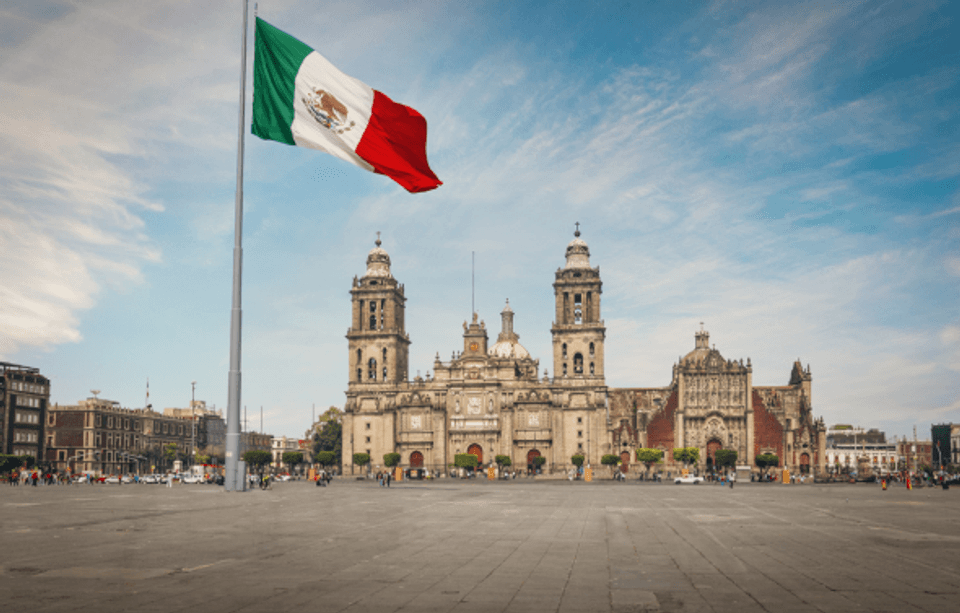

Short-term rentals have become a major part of Mexico’s tourism economy, particularly in high-demand destinations like Mexico City, Cancun, Playa del Carmen, and Tulum. In recent years, growing concerns around housing availability, neighborhood disruption, and tax compliance have prompted local authorities to introduce stricter short-term rental regulations across the country.
Unlike countries with a single national framework, Airbnb rules in Mexico are shaped by a combination of federal tourism law, tax regulations, and city-level ordinances. This layered approach means Airbnb hosts and property owners must navigate different registration processes, tax obligations, and occupancy limits depending on where their rental property is located.
This guide explains the applicable regulations for operating short-term rentals in Mexico, with a particular focus on Mexico City, where new regulations have significantly changed how Airbnb hosts can legally operate.
What this guide covers
This article provides a compliance-focused overview of Airbnb rules in Mexico, including host registration requirements, safety standards, tax obligations, occupancy limits, and enforcement risks. It covers federal obligations such as income tax and value added tax, city-level restrictions introduced in recent years, and regional requirements in popular tourist destinations. This guide does not include hosting tips, pricing strategies, or marketing advice unrelated to legal compliance.
Who this is for
This guide is designed for Airbnb hosts, property owners, and short-term rental property managers operating in Mexico. It is also relevant for investors evaluating the Mexican rental market who want to understand the legal framework before listing a property.
Why this matters
Mexico has significantly increased oversight of short-term rentals in recent years. In Mexico City alone, new regulations introduced by the city’s congress have imposed registration requirements, reporting obligations, and strict limits on how often a listed property can be rented. Failure to comply can result in fines, removal from online platforms, and potential tax penalties. Staying compliant is essential for avoiding enforcement actions and ensuring long-term operations.
What you’ll learn
How Airbnb rules in Mexico are structured across federal and local levels
Registration and host registry requirements for short-term rentals
Income tax, value added tax, and lodging tax obligations
Mexico City–specific occupancy limits and reporting rules
Regional requirements in destinations like Quintana Roo
Common compliance challenges and how to avoid fines
Understanding Mexico’s short-term rental legal framework
Mexico regulates short-term rentals through a combination of federal laws, state rules, and municipal regulations. At the federal level, tourism law establishes baseline obligations for providers of tourist services, while tax obligations are enforced by the Mexican Tax Authority (SAT). Local governments then introduce additional restrictions to address housing supply, gentrification, and neighborhood impacts.
Short-term rentals are generally defined as properties rented for less than 30 consecutive days, although definitions and limits can vary by city. Digital platforms like the Airbnb platform play a role in tax withholding and reporting, but hosts remain legally responsible for ensuring compliance with all applicable regulations.
Airbnb compliance requirements in Mexico at a glance.
Compliance area | Requirement | Who it applies to | Key details to know |
Host registration | Register property with local authorities | All Airbnb hosts in Mexico | Required to ensure compliance with zoning, safety standards, and applicable regulations |
Host registry (Mexico City) | Register with the city’s host registry | Hosts in Mexico City | Registration is valid for two years and must be renewed 30 days before expiration |
Occupancy reporting | Submit biannual occupancy reports | Mexico City hosts | Reports help local authorities enforce the 50% annual occupancy limit |
Occupancy limits | Maximum 180 rental days per year | Mexico City hosts | Properties listed on the registry cannot exceed 50% yearly occupancy |
Safety standards | Install safety equipment | All short-term rentals | Smoke detectors, fire extinguishers, and compliance with building and health codes |
Insurance | Provide civil liability insurance | All registered hosts | Proof required during the registration process to cover potential damages |
Tax registration | Register with SAT and obtain RFC | Residents and non-residents | Required to report income generated from short-term rentals |
Income tax | Pay federal income tax (ISR) | All hosts | Applies to rental income regardless of residency status |
Value added tax | Collect and remit 16% VAT | All short-term rental services | Often withheld by digital platforms but hosts must verify accuracy |
Lodging tax (ISH) | Declare and pay state lodging tax | Hosts in applicable states | Typically ranges from 3% to 5% depending on location |
Platform compliance | Use compliant online platforms | Hosts using Airbnb platform | Listings can be removed if registration or tax obligations are not met |
Penalties | Fines and platform removal | Non-compliant hosts | Failure to comply can result in fines and removal from rental platforms |
Federal requirements and tourism law
Under Mexico’s tourism law, short-term rentals are considered tourist accommodation services. This classification subjects Airbnb hosts to registration requirements, safety standards, and tax obligations. A mandatory registration with the National Tourism Registry (RNT) applies to all providers of tourist services, regardless of whether the host is an individual or a legal entity.
Federal law establishes the obligation to pay income tax on income generated from renting property and to collect added tax on short-term rental services. These requirements apply nationwide and form the foundation for local enforcement.
Local authority enforcement and city-level rules
Local authorities have the power to introduce additional regulations governing housing, zoning, and public safety. In recent years, cities have exercised this authority more aggressively, particularly in areas experiencing housing shortages and gentrification.
Mexico City represents the most regulated rental market in the country, with short-term rental regulations that include host registry requirements, occupancy limits, and reporting obligations that do not exist in many other regions.
Registration requirements for Airbnb hosts in Mexico
All Airbnb hosts in Mexico must register their rental properties with the appropriate authorities to operate legally. Registration ensures compliance with safety standards, zoning rules, and tax obligations.
Host registry and registration process
Hosts are required to register their listed property with local authorities through a host registry. In Mexico City, this includes registration with the city’s Registry of Technological Platforms. Registration typically requires:
Proof of property rights or legal use of the property
Valid identification for the property owner or legal entity
Registration with the SAT and an RFC number
Proof of civil liability insurance
Confirmation that the property complies with local laws
The registration is valid for two years and must be renewed at least 30 days before expiration. Failure to renew can result in the removal of the listing from digital platforms.
Insurance and safety documentation
During the registration process, hosts must provide proof of civil liability insurance to cover potential damages or accidents involving guests. Hosts must also certify that their rental properties meet safety standards, including proper safety equipment and emergency access.
Safety standards and operational requirements
Ensuring guest safety is a central component of short-term rental regulations in Mexico. Hosts are responsible for maintaining compliance throughout the rental period.
Required safety equipment
Short-term rentals must meet minimum safety standards, including:
Smoke detectors installed in appropriate areas
Fire extinguishers accessible to guests
Compliance with local building and health codes
Clearly displayed emergency contact information
Local authorities may conduct regular inspections to verify compliance. Failure to meet safety standards can result in fines and suspension of registration.
Occupancy limits and guest rules
Occupancy limits apply to prevent overcrowding and reduce neighborhood impact. In Mexico City, new regulations limit short-term rentals to 50% occupancy per year, effectively capping rentals at approximately 180 days annually. Hosts must ensure guests comply with these limits and house rules to avoid penalties.
Tax obligations for Airbnb hosts in Mexico
Tax compliance is one of the most complex aspects of operating short-term rentals in Mexico. Hosts must pay and report multiple taxes at the federal and state levels.
Income tax and VAT requirements
All rental income in Mexico is subject to federal income tax, regardless of whether the host is a resident or non-resident. Hosts must register with the SAT to obtain an RFC and report income generated from short-term rentals.
A 16% value added tax applies to short-term rental services. Airbnb typically withholds VAT and income tax and issues monthly certificates, but hosts must verify that the correct amounts are paid and reported.
Lodging tax and additional obligations
In addition to federal taxes, hosts must collect and pay a state-level lodging tax, often referred to as ISH, which ranges from approximately 3% to 5% depending on location. This tax applies to the total listing price and must be declared to the appropriate state authority.
Hosts must file monthly tax returns for VAT and income tax, as well as an annual return in the following year. Failure to meet tax obligations can lead to penalties, audits, and removal from online platforms.
Mexico City–specific short-term rental regulations
Mexico City has introduced some of the most restrictive rules in the country to address housing availability and gentrification.
Registry and reporting requirements
All local and foreign hosts must register with the city’s host registry to operate legally. Hosts are required to submit biannual reports detailing the occupancy status of their property. These reports allow the government to enforce occupancy limits and monitor housing usage.
Occupancy limits and zoning restrictions
Properties listed on the host registry cannot be occupied for more than 50% of the year. Not all neighborhoods are eligible for short-term rentals, and hosts must verify that their property is located in a legally permitted zone before listing.
Failure to comply with registration or reporting rules can result in fines and removal from the registry.
Regional hosting regulations in Mexico
Outside Mexico City, short-term rental rules vary by state and municipality.
Quintana Roo requirements
In Quintana Roo, including destinations like Cancun and Playa del Carmen, hosts must obtain a Holiday Home Permit from the state’s Department of Culture and Tourism. This permit is required in addition to federal tax registration and tourism registry enrollment.
Foreign hosting requirements
Foreigners operating short-term rentals in Mexico must comply with the same regulations as Mexican nationals. To operate a rental business, foreign hosts must have legal residency and an RFC. Operating through a registered company may be required in some cases, depending on scale and income.
Common challenges and how to stay compliant
Challenge 1: Navigating layered regulations
Solution: Verify all applicable federal, state, and local laws before listing a property and monitor new regulations introduced by local governments.
Challenge 2: Tax compliance and reporting
Solution: Maintain independent records of income, taxes withheld by digital platforms, and payments made to authorities to ensure full compliance.
Challenge 3: Registration and documentation
Solution: Keep registration certificates, insurance policies, and safety documentation up to date to provide proof during inspections or audits.
Penalties and enforcement risks
Failure to comply with Airbnb rules in Mexico can result in fines, suspension of listings, and removal from online platforms. Local authorities increasingly rely on data from digital platforms and host registries to enforce compliance. Staying aware of new regulations and maintaining accurate records is essential to avoid penalties.
Conclusion and next steps
Mexico’s short-term rental framework requires hosts to comply with federal tourism law, national tax rules, and local regulations that vary by city and state. Recent years have brought increased oversight, particularly in Mexico City, where registration, reporting, and occupancy limits now apply to all listed properties.
Because enforcement and requirements differ by location, Airbnb hosts must identify the exact rules governing their rental property before listing. Failing to register, exceeding occupancy limits, or overlooking tax obligations can result in fines, removal from rental platforms, and other penalties. Staying compliant requires ongoing attention to local laws as regulations continue to evolve.
To get started
Airbnb hosts and property managers operating in Mexico should take the following steps before listing or continuing operations:
Determine applicable jurisdiction Confirm whether your property is subject to federal rules only or additional city and state regulations, especially in Mexico City and major tourist destinations.
Complete required registrations Register with local authorities, enroll in the National Tourism Registry, and obtain an RFC from the Mexican Tax Authority.
Confirm tax compliance Review income tax, value added tax, and lodging tax obligations, and verify that amounts withheld by digital platforms are accurate.
Meet safety and insurance requirements Install required safety equipment, comply with building and health codes, and maintain valid civil liability insurance.
Monitor regulatory updates Track renewal deadlines, reporting obligations, and new regulations introduced in the following year.
This structured approach helps hosts reduce legal risk and operate short-term rentals in Mexico in line with current regulations.
FAQs
How do Airbnb regulations in Mexico affect long-term rental strategies?
Short-term rental regulations may influence whether property owners choose to operate short-term or long-term rentals. Occupancy limits, reporting obligations, and tax requirements can reduce flexibility for short-term use, leading some owners to reassess rental strategies based on location and compliance costs.
Do short-term rental rules in Mexico apply retroactively to existing listings?
Regulations generally apply from the date they take effect, but existing hosts may be required to register, report occupancy, or update safety and insurance documentation within a defined transition period. Hosts operating before new regulations are introduced should monitor official guidance closely.
How do Mexico’s Airbnb rules compare to traditional hotels?
While hotels are subject to long-standing tourism and safety regulations, short-term rentals have historically operated with fewer requirements. Recent regulations aim to narrow this gap by applying similar tax, safety, and registration standards to short-term rental properties.
Can compliance requirements differ within the same city?
Yes. Zoning rules, building classifications, and neighborhood-level restrictions can result in different compliance requirements even within the same city. Hosts must verify that their specific property location is eligible for short-term rental use.
How might future regulations impact Airbnb hosts in Mexico?
Ongoing housing and tourism pressures suggest that additional regulations may be introduced, particularly in high-demand urban areas. Hosts should expect continued scrutiny around occupancy limits, tax enforcement, and platform reporting obligations.
Ready to find out how Hostaway can transform your business?