Short-term rental fire safety laws: What hosts must know in 2026
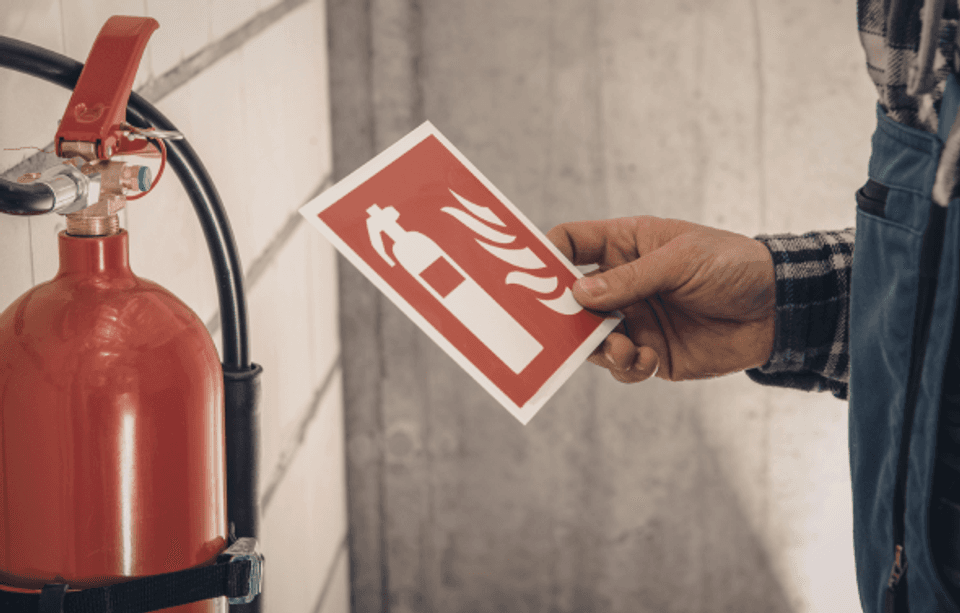

One overlooked fire safety rule can shut down a short-term rental overnight.
Fire safety isn’t just a precaution for hosts; it’s a legal responsibility. In many cities and countries, short-term rental fire safety laws require property owners to install working smoke alarms and carbon monoxide alarms, fire extinguishers, and clearly marked escape routes.
These safety requirements exist to protect guests and ensure that vacation rentals comply with local regulations. At the same time, the rules governing short-term rentals vary widely by location. Some jurisdictions require inspections, permits, and occupancy limits before a rental can legally operate. Failing to comply can result in fines, license revocation, or other legal consequences.
In this guide, you’ll learn what short-term rental fire safety laws typically require, how regulations differ across jurisdictions, and what hosts must do to keep guests safe while avoiding compliance problems.

Key takeaways
Short-term rental fire safety laws are primarily enforced through local regulations and municipal codes.
Most jurisdictions require working smoke alarms, carbon monoxide alarms, and fire extinguishers in short-term rental properties.
Many cities require hosts to obtain a short-term rental license and pass safety inspections before operating.
Clear escape routes, emergency contact information, and evacuation instructions are common safety requirements.
Maintaining compliance helps hosts avoid fines, protect guests, and operate legally.
Why fire safety laws exist for short-term rentals
Short-term rentals function much like small hotels. Guests stay overnight in a property they may not know well, making fire safety planning essential.
Unlike long-term tenants, short-term rental guests may not know where emergency exits are located or where safety equipment is stored. For this reason, local governments often enforce safety standards similar to those used in hotels.
Many cities now regulate vacation rentals through short-term rental laws that include licensing requirements, inspections, and fire safety standards.
Because of this, property owners must understand the specific fire safety laws that apply to their rental property before accepting guests.
How do short-term rental fire safety laws vary by jurisdiction?
Fire safety laws for short-term rentals are usually governed by local laws and municipal regulations, not national rules.
This means that requirements may differ significantly depending on the city or region where a rental property operates.
Many cities require hosts to obtain a short-term rental license or permit before renting a property to guests. These permits are often linked to safety inspections and compliance with local building codes.
Some jurisdictions require proof that smoke alarms and fire extinguishers are installed before issuing permits. Others require annual life safety inspections conducted by local authorities or the fire marshal.
For example, in Washington, D.C., short-term rentals must be licensed by the Department of Licensing and Consumer Protection. Failure to obtain a license can result in enforcement action and fines.
Similarly, cities like Santa Monica, California, require hosts to register with local authorities and comply with strict safety regulations.
In addition to fire safety requirements, local governments may impose:
occupancy limits
zoning restrictions
lodging or occupancy taxes
limits on rental days
registration requirements
Because these rules vary across jurisdictions, hosts should always check local regulations before operating a short-term rental business.
What fire safety equipment is required in most short-term rentals?
Although regulations vary, many jurisdictions require similar fire safety equipment in short-term rental properties. These safety measures are designed to detect fires early and help guests evacuate quickly in an emergency.
Smoke alarms and fire alarms
Working smoke alarms are one of the most common safety requirements in short-term rental regulations.
In most jurisdictions, smoke alarms must be installed:
in every sleeping room
outside each separate sleeping area
on every level of the rental property
Many regulations also require interconnected smoke alarms, meaning that if one alarm detects smoke, all alarms on the property will sound. This early warning system is especially important in larger vacation homes where a fire could start in a remote room.
Some local laws require smoke alarms to be hard-wired into the electrical system, while others allow battery-powered alarms as long as they remain functional. Hosts must also test alarms regularly to ensure they remain operational for guests.
Carbon monoxide alarms
Carbon monoxide alarms are another common requirement for short-term rental properties. Carbon monoxide is an odorless and colorless gas that can be produced by gas appliances, fireplaces, or heating systems.
To reduce the risk of poisoning, many jurisdictions require working carbon monoxide alarms on every level of the rental property. These detectors are usually installed near sleeping areas so guests receive early warnings if carbon monoxide levels rise.
Property owners should test carbon monoxide detectors regularly and replace batteries or devices when necessary.
Fire extinguishers
Most short-term rental fire safety laws also require the presence of portable fire extinguishers. A typical regulation requires at least one fire extinguisher on each floor of the rental property.
These extinguishers should be:
multi-purpose (ABC-rated)
placed in accessible locations
located near cooking areas or kitchens
Because many fires start in kitchens, placing fire extinguishers close to cooking equipment helps guests respond quickly in an emergency.
Hosts should also check expiration dates and replace extinguishers according to manufacturer recommendations.
Typical fire safety requirements for short-term rentals
Fire safety requirement | Typical regulation | Purpose |
Smoke alarms | Installed in sleeping rooms and every level | Early fire detection |
Carbon monoxide alarms | Installed near sleeping areas and every floor | Prevent CO poisoning |
Fire extinguishers | One per floor and near kitchens | Immediate fire response |
Emergency exit plans | Posted or included in the house manual | Guide guest evacuation |
Clear escape routes | Doors and windows must remain unobstructed | Safe evacuation |
Safety inspections | Often required before permits are issued | Verify compliance |
Are fire inspections required for short-term rental properties?
In many cities, short-term rental properties must pass safety inspections before hosts receive a permit. These inspections verify that the rental meets fire safety standards and building codes. A fire safety inspection may be conducted by the local fire marshal or other municipal authorities.
Inspectors typically check:
placement of smoke alarms
installation of carbon monoxide alarms
accessibility of fire extinguishers
unobstructed escape routes
functioning doors and windows
overall property safety conditions
In some jurisdictions, hosts must also conduct documented fire risk assessments to identify potential hazards in the rental property.
Annual safety inspections are common in areas with stricter short-term rental regulations. Hosts are usually responsible for maintaining safety equipment and regularly testing alarms between inspections.
What emergency safety information must hosts provide to guests?
Providing emergency information is another important safety requirement for short-term rentals. Many jurisdictions require hosts to display or provide safety information that helps guests respond quickly during an emergency.
This information may include:
the property address
emergency contact information
evacuation instructions
fire escape routes
local emergency numbers
Guests should also know two ways to exit every room, such as a door and a window. Some jurisdictions require hosts to display evacuation diagrams or emergency signage showing exit routes.
Hosts may also designate an outdoor meeting place a safe distance from the property where guests should gather after evacuating.
Including this information in a house manual or welcome guide helps guests understand emergency procedures before a crisis occurs.
What happens if hosts violate fire safety regulations?
Failing to comply with fire safety laws can create serious consequences for property owners.
Violations may lead to:
fines from local governments
suspension or revocation of a short-term rental license
enforcement action by local authorities
listing removal from rental platforms
Operating without the proper permit or failing to register a rental property can also result in significant penalties. Beyond financial penalties, non-compliance can increase liability risks. If a guest is injured in a fire and the property lacked required safety equipment, the host could face legal claims or insurance issues.
Fire safety best practices for vacation rentals
While meeting legal requirements is essential, many hosts go further by adopting additional safety measures.
Best practices include:
installing interconnected smoke alarms
maintaining clear escape routes throughout the property
eliminating tripping hazards near exits
conducting regular safety inspections
installing modern security or monitoring systems
Hosts should also ensure that doors and windows leading outside open easily, providing guests with accessible escape routes.
Preparing for emergencies such as power outages is also important. Providing flashlights or backup lighting can help guests navigate the property safely during a loss of power.
Regular inspections and proactive safety measures improve both guest safety and overall property management.
How property management systems help hosts stay compliant
Managing fire safety requirements can become complicated, especially for hosts operating multiple short-term rental properties.
Hosts must track:
safety inspections
permit renewals
compliance documentation
safety equipment checks
Many property managers use vacation rental property management software to organize these tasks.
Platforms like Hostaway help hosts manage operational workflows, track property maintenance tasks, and coordinate safety procedures across multiple listings.
By centralizing operations, hosts can ensure that safety requirements are consistently maintained while reducing administrative workload.
Fire safety checklist for short-term rental hosts
Hosts can improve safety and compliance by following a simple fire safety checklist.
Review local laws and short-term rental regulations.
Obtain required permits and licenses.
Install working smoke alarms in every sleeping room and level.
Install carbon monoxide alarms near sleeping areas.
Place portable fire extinguishers on each floor and near kitchens.
Keep escape routes clear and unobstructed.
Provide emergency contact information and evacuation instructions.
Schedule regular property inspections and test alarms.
Following these steps helps property owners maintain safe vacation rentals while reducing regulatory risks.
Fire safety is part of responsible hosting
Fire safety laws for short-term rentals exist to protect both guests and communities.
While regulations vary across jurisdictions, most cities require hosts to install smoke alarms, carbon monoxide detectors, fire extinguishers, and clearly marked escape routes.
Understanding local regulations and maintaining safety equipment helps hosts avoid fines, protect guests, and operate legally.
For hosts managing multiple vacation rentals, staying organized and maintaining consistent safety standards becomes even more important.
By prioritizing fire safety and compliance, property owners create safer experiences for guests while protecting the long-term success of their rental business.
FAQs
Do Airbnb hosts need hard-wired smoke alarms?
Some jurisdictions require hard-wired smoke alarms connected to the building's electrical system, while others allow battery-powered detectors. Hosts should check local building codes and short-term rental regulations to determine which type is required.
How often should fire extinguishers be replaced in vacation rentals?
Most fire extinguishers require inspection every year and replacement or servicing every five to twelve years, depending on the model. Hosts should follow manufacturer guidelines and local fire safety regulations.
Are short-term rentals required to pass fire marshal inspections?
In many cities, short-term rental permits require inspections by the fire marshal or local safety authorities before a license is issued.
Can a short-term rental operate without a permit?
In many jurisdictions, operating without a permit or registration is illegal and can result in fines or enforcement action from local authorities.
What type of insurance should short-term rental hosts have?
Hosts should maintain homeowners or liability insurance policies that specifically cover short-term rental activity to protect against guest injuries, property damage, or fire-related incidents.
Ready to find out how Hostaway can transform your business?