How to Prevent Smoking in Your Airbnb Rental: Everything You Need to Know About Airbnb’s Smoking Fee
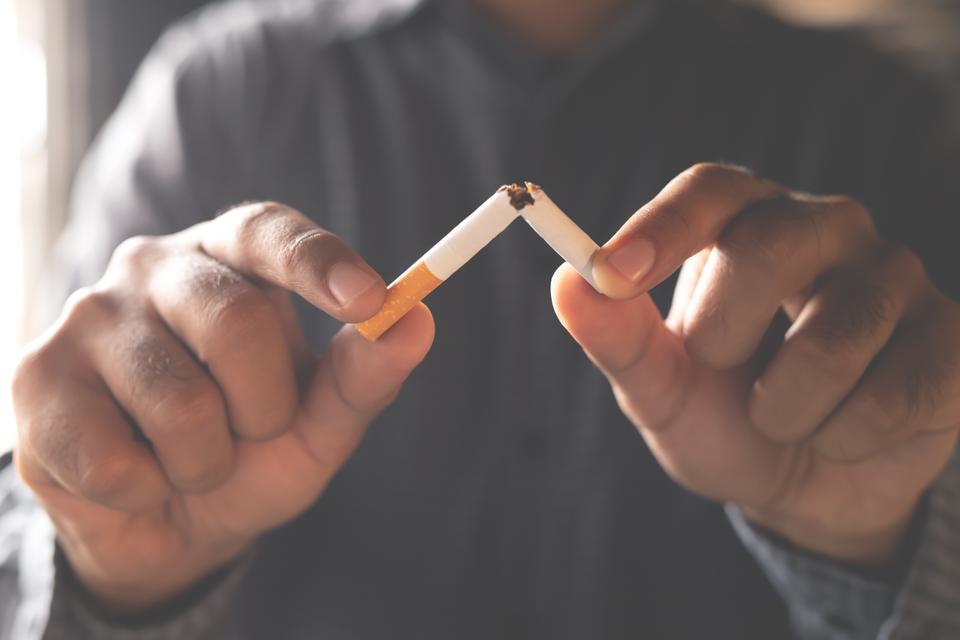

Maintaining and keeping your short-term rental clean for arriving and future guests is one of the primary responsibilities you'll face as a host. If you've ever been an Airbnb host, you're probably aware of the numerous issues that smoking may lead to. It not only causes a foul odor in your Airbnb but also risks lasting damages. Cigarette smoke produces one of the most off-putting and challenging scents to remove.
Key Takeaways:
Smoking can cause serious damage to your short-term rental, from fire risks to lingering odors and permanent discoloration that increase cleaning costs and hurt reviews.
You cannot add a pre-set smoking fee to your listing price, but you can charge guests who violate a clearly stated no-smoking policy.
Clear house rules and visible signage are your first line of defense in preventing disputes and strengthening enforcement.
Evidence is essential when filing a claim — photos, cleaning invoices, detector alerts and documentation must be submitted within 14 days through Airbnb’s Resolution Center.
Proactive prevention (security deposits, detectors and outdoor smoking areas) reduces violations and protects your property long-term.
What are the Dangers of Smoking in a Vacation Rental?
Smoking alone accounts for a sizeable portion of home fires in the US. In fact, 1 out of every 31 home smoking material fires during the years 2012 to 2016 resulted in a fatality, according to the National Fire Protection Association (2019).
Additionally, smoking causes harm to your home by fading paint and wallpaper, ruining the aroma, and discoloring the walls and ceilings. Moreover, this raises your cleaning expenses and makes it less likely for future guests to leave positive reviews. For such reasons, it's crucial to take the necessary actions to prohibit guests from smoking in your Airbnb.
Can an Airbnb Smoking Fee Be Enforced?
While, it is not possible to add a smoking fee on the price of your listing, you have the right to charge guests who break your short-term rental's no-smoking policy. To enforce this, it’s imperative you emphasize to guests that your Airbnb is a non-smoking property and that there will be an additional cleaning fee if it occurs.
More importantly, ensure guests understand that breaking these rules could result in them losing their security deposit and a negative review.
Airbnb Smoking Fee: What Hosts Can and Cannot Do
Options | What hosts can do | What hosts cannot do |
Add Smoking Fee to Listing | Clearly state a penalty fee in house rules | Add an automatic smoking surcharge to the nightly rate |
Enforce No-Smoking Policy | Charge guests after violation with documented proof | Charge guests without evidence |
Security Deposit | Use deposit to cover smoking damages | Deduct funds without submitting a claim |
Evidence Collection | Submit photos, invoices, detector alerts, surveillance (if compliant) | File claims without documentation |
Claim Timeline | Submit claim within 14 days via Resolution Center | File claims after the deadline |

How to Prevent Smoking on Your Airbnb Property?
1. Have a “No Smoking” Policy
Put in place a "No-smoking" policy for your vacation rental property that restricts smoking in all the common areas, bedrooms, and bathrooms. More importantly, make sure that you display the policy, including the fee amount on your listing description and make it readily visible to guests. Smoking fines can range between $100-$500 depending on the extent of damages.
Also, look into buying inexpensive "No Smoking" signs and putting them in visible places such as behind each door or above light switches. By doing this, guests will be unable to assert that they were unaware of this policy, and all possibilities for claims or disagreements will be eliminated.
2. Set up strict and clear house rules
For guests to understand what is expected of them while staying at your property, it's important that you establish strict and straightforward house rules. As little as possible should be left open for interpretation by guests.
Even more crucially, be sure to explain your house rules in your listing description, welcome guidebooks (including digital versions), and in your prior-to-arrival correspondence with guests. By doing this, you can be sure that potential guests are well-informed before placing a booking.
3. Create a space where guests can smoke
Consider allocating a smoking area if your vacation rental has any outdoor areas like a patio or deck. As a result, guests are encouraged to refrain from smoking within your short-term rental.
4. Charge a security deposit
Consider requesting a security deposit from guests as a tactic that will deter guests from smoking and compensate for any possible damage that smoking may cause. More importantly, this will probably motivate guests to comply with your house rules.
5. Use smoke detectors
Smoke detectors are typically needed to be installed in short-term rental households. They are essential for fire safety and advantageous to hosts and property managers alike. There are even more sensitive, WiFi-enabled, innovative gadgets designed expressly to monitor marijuana and tobacco smoke, such as Nest Protect, FreshAir Sensor, Alertify and more.
Installing these devices will enable hosts to notify guests in advance and serve as proof if you choose to report an Airbnb violation. Furthermore, in your listing description include an additional feature, "carbon monoxide detector," after it has been installed.

How to Handle Guests Who Break the No Smoking Policy?
Collect evidence
If you have reason to believe that your guests have smoked inside your property, take steps right away. Assemble proof, report the problem to Airbnb, and resolve it as quickly as possible by making a claim.
Make sure to document the damage with photos and videos of the cigarette butts and ashtrays, and keep a watchful eye for burn marks on furniture or discoloration on the walls and ceilings. Furthermore, you can also utilize surveillance footage, if you have it, to establish that guests in your Airbnb have been smoking within your property premises.
Leave a Bad Review
Nobody likes to write a bad review. But never be reluctant to warn guests that breaking your "No-smoking" policy can lead to a negative review, nevertheless. By doing this, you might help warn other hosts and deter guests from smoking within your rental.
Charge a smoking fine
As a property owner or host, you have the right to charge a smoking fee in addition to your regular cleaning costs. Make sure to make it clear to guests that smoking is prohibited in your short-term rental, both in your listing description and house rules. This will make it apparent that breaking the rules will result in a fee and will help deter guests from complaining.
You could also warn guests that they would be responsible for paying for professional cleaning services if they leave any smoke-related odors or damage in your short-term rental.
Clean thoroughly
In order to prepare for the forthcoming guests, be sure to let your cleaning staff know that you anticipate a high degree of cleanliness. Additionally, any locations where smoking has occurred will require particular care, including deep cleaning all the linens, drapes, bedding, and towels as well as wiping down the walls and windows and steam-cleaning the carpet. You should also utilize carpet shampoo and air fresheners as well.
Utilize air purifiers
Utilizing air purifiers such as Levoit, Blueair, etc., is a great way to eliminate smoke in your short-term rental. You'll be in awe of the miracles it performs as it improves the air quality, especially for guests with allergies or asthma. Not to mention, it also lowers the risk of fire.
But then, if you can't get your hands on these gadgets, think about using natural air purifiers and odor absorbers like charcoal, coffee grounds, gonzo rocks, etc. These natural odor absorbers and air purifiers don't just assist in getting rid of the stench; they also don't contain any chemicals and won't cause any health problems in your future guests. To achieve the desired effect, simply allow it to sit for many hours or perhaps even overnight in little dishes scattered throughout your rental property.

How to Claim Airbnb Smoking Fee?
Regardless of whether your guests violated the "No-smoking" policy while they are still on the rental property or you only notice after they've checked out, take immediate action by notifying the Airbnb Resolution Center and submitting all of your documentation as well as proof of any smoking-related property damage within 14 days. Smoking fees can range between $100-$500 depending on the extent of damages.
The following are some additional suggestions to support your claim for the Airbnb smoking fee:
Cigarette burns, ashtrays, stains, or burn marks visible on furniture or surfaces in images or videos
Invoice or receipts for professional cleaning services
Notifications or alerts messages from smoke detectors (if relevant)
Evidence of guests smoking inside or outside your rental is displayed on the security footage
Final Thoughts!
Generally speaking, eliminating smoking within your rental property involves a proactive strategy. Remember that doing so will stop further smoke damage to your property and ensure your guests are held to a strict no-smoking policy.
Make sure to note the incident and charge guests an Airbnb smoking fee to cover cleaning and damage costs if rules are breached with a clearly written no-smoking rule in your description. Also, don't be afraid to report rebellious guests to other hosts by leaving a negative review on the Airbnb platform.
Furthermore, simply by adhering to these simple guidelines, you can guarantee that your short-term rental is always maintained neat and safe for future guests, providing them with a great experience that leads to better reviews and a smoke-free short-term rental.
FAQs
1. Can Airbnb automatically charge a guest for smoking violations?
No. Airbnb does not automatically apply smoking penalties. Hosts must submit a claim through the Resolution Center with documented evidence of damages or extra cleaning costs.
2. How much should I charge as a smoking fee on Airbnb?
While smoking penalties commonly range between $100–$500, the appropriate amount depends on cleaning costs, property size and severity of damage. The fee should reflect actual remediation expenses and be clearly stated in your house rules.
3. Does Airbnb’s AirCover protect against smoke damage?
AirCover may reimburse eligible property damage claims, including smoke-related damage, but hosts must provide documentation and follow the proper claims process. Coverage is not automatic and is subject to review.
4. Can I install smoke detection devices in my Airbnb?
Yes, hosts can install smoke and air-quality monitoring devices, but they must comply with Airbnb’s privacy policies. Devices must not record audio in private spaces and must be disclosed in the listing.
5. What’s the best way to prevent repeat smoking violations?
Clear communication before arrival, visible signage, a security deposit and immediate enforcement of violations help establish expectations. Leaving honest reviews for rule-breaking guests also helps protect other hosts.
Ready to find out how Hostaway can transform your business?