Best Mid-Term Rental Software in 2025


Key Takeaways
Mid-term rentals are gaining momentum as a flexible, profitable alternative to short and long-term leases.
The right property management software helps automate messaging, handle lease agreements and keep your rental market performance on track.
Platforms like Hostaway streamline operations for landlords managing term rentals of all lengths, from short stays to extended leases.
Listing on sites such as Furnished Finder, Airbnb and CHBO increases visibility and helps attract quality tenants.
For landlords seeking consistent income with fewer turnovers and less stress, mid-term rentals are one of 2025’s most reliable investment models.
Mid-term rentals are having a moment. After years of being overshadowed by short stays and long-term leases, they’ve finally carved out a strong middle ground.
The numbers tell the story, stays of one to twelve months are rising fast, driven by traveling professionals, digital nomads and families in transition who need flexible housing without the hassle of moving every few days.
For property owners and managers, this shift is more than a passing trend. As cities tighten short-term rental laws and remote work becomes a long-term norm, mid-term rentals offer a way to maintain occupancy, reduce turnover and attract reliable tenants. But managing them efficiently takes the right tools and that’s where mid-term rental software comes in.
The best platforms in 2025 do far more than process bookings. They help you automate communication, handle lease agreements and simplify rent collection across multiple listings. Whether you manage one property or a growing portfolio, the right system can save time, improve guest experiences and keep your rental income consistent.
In this guide, we’ll explore what makes mid-term rentals work, why they’re gaining traction and which software options are leading the way, including a closer look at Hostaway, the platform that helps thousands of Airbnb hosts and property managers streamline operations across mid-term, short-term and vacation rentals.
What Are Mid-Term Rentals and How Do They Work?
Mid-term rentals, sometimes called medium-term rentals, sit comfortably between short-term and long-term leases. They typically last anywhere from one to twelve months, long enough for guests to settle in, but short enough to keep flexibility on your side as a landlord or property manager.
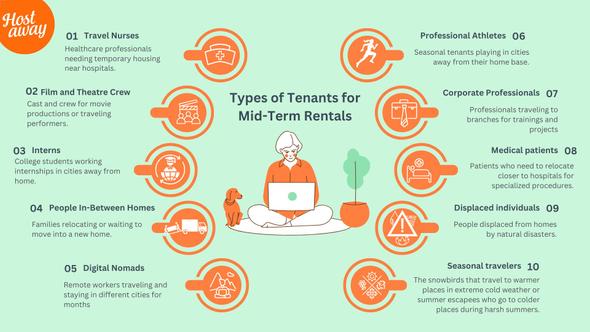
These rentals usually come fully furnished, with utilities and Wi-Fi included, making them ideal for people who need temporary housing without the stress of setting up a home. Think traveling professionals, remote workers, digital nomads or families waiting for renovations or relocations to wrap up.
Unlike short-term rentals, which turn over every few days or weeks, mid-term rentals cater to guests who prefer stability. The appeal is clear: fewer turnovers, predictable income and reliable tenants who treat the space like their own. And while the rent might be slightly lower than a nightly short stay, the consistency often makes up for it, especially in markets with strict regulations on vacation rentals.
For property owners, mid-term rentals offer a flexible lease duration and a sweet spot between income potential and ease of management. You still benefit from dynamic pricing and digital exposure, but with fewer cleaning fees, less wear and tear and more time to focus on scaling your business.
Why Are More Hosts Choosing Mid-Term Rentals in 2025?
The rental landscape has changed a lot since the rise of remote work. As travel patterns evolve, more hosts are discovering that mid-term rentals strike the perfect balance between flexibility, profitability and stability.
1. Consistent income with fewer turnovers
Short-term rentals can be lucrative, but the constant guest turnover, cleaning schedules and booking gaps can make income unpredictable. Mid-term rentals, on the other hand, bring consistent income and reduced turnover, helping hosts maintain steady cash flow while cutting down on operational stress.
2. Fewer regulatory headaches
Cities worldwide are introducing strict regulations on short-term rentals, often limiting stays under 30 days. Mid-term rentals naturally avoid many of these rules because they operate under longer lease terms. That means hosts can keep renting legally without compromising on occupancy or profitability.
3. Growing demand from remote workers and professionals
The mid-term model caters perfectly to traveling professionals, business travelers and remote workers who need housing for a few months at a time. These tenants value fully furnished spaces, reliable Wi-Fi and flexible lease terms, features that also attract higher-quality, responsible renters.
4. Cost-effective and low-maintenance
Because mid-term rentals involve longer stays, hosts save on cleaning fees, booking fees and general wear and tear. You’re not constantly flipping the property or replacing linens every week, which makes this model a cost-effective and sustainable option for property managers.
In short, choosing mid-term rentals in 2025 is about finding balance, reliable tenants, predictable income and fewer headaches. For hosts juggling multiple listings, that’s a hard combination to beat.
Where to List Your Mid-Term Rental Properties
Choosing the right platform is a big part of running successful mid-term rentals. The goal is to reach the right target tenants, professionals, digital nomads or families seeking temporary housing for several months. The good news is there are now dedicated sites that make it easier to market your mid-term rental properties and secure reliable bookings.
Here are the most popular options in 2025:
Platform | Focus area | Ideal for | Fees / structure |
Furnished Finder | Specializes in furnished rentals and extended stays | Traveling nurses and business professionals | No booking fees, hosts pay a flat annual listing fee |
Corporate Housing by Owner (CHBO) | Caters to corporate travelers and longer lease agreements | Landlords in metro areas with strong rental market demand | Free to browse, paid plans for premium visibility |
Airbnb | Supports short-term and mid-term leases | Hosts using a hybrid model (1–12 month stays) | Service and booking fees apply |
Vrbo | Known for vacation rentals, now expanding into medium-term rentals | Property managers with larger homes or apartments | Commission-based fee per booking |
1. Furnished Finder
Furnished Finder has become the go-to platform for hosts offering stays between one and twelve months. It’s built for mid-term rentals and temporary housing, connecting landlords with traveling professionals like nurses, consultants and relocating employees. Because there are no booking fees, landlords keep more of their monthly rent, making it one of the most affordable listing options.
2. Corporate Housing by Owner (CHBO)
If your mid-term rental model focuses on corporate tenants, CHBO is a strong choice. It attracts business professionals seeking fully furnished housing for projects or relocations lasting a few months. Listings are vetted, which helps maintain a high-quality pool of long-term tenants and reliable renters.
3. Airbnb
While best known for short-term rentals, Airbnb has grown into one of the most flexible platforms for mid-term leases. You can set house rules, offer longer stays and customize discounts for month-long bookings. It’s especially useful for property managers who combine short-term and mid-term rentals throughout the year, depending on demand.
4. Vrbo
Vrbo’s vacation rental roots make it ideal for families and professionals seeking home-like comfort. As more travelers stay for several months, Vrbo has adapted to include options for medium-term rentals and flexible lease terms. It’s also a smart way to keep larger properties occupied during off-season months.
No matter where you list, make sure your property description clearly outlines lease length, security deposit requirements and included amenities. Guests looking for mid-term rentals appreciate transparency and the right platform can help you reach them faster.
What to Look for in Mid-Term Rental Software
Not all property management tools are built for mid-term rentals. These stays fall somewhere between the high-touch nature of short-term rentals and the long-term predictability of traditional leases. The best platforms cater to that middle ground, offering flexibility, automation and the tools to manage both guests and leases seamlessly.
Here’s what to keep in mind when evaluating your options:
1. Automation that saves time
Mid-term rentals cater to busy landlords who want to spend less time on admin work. Look for software that automates messages, rent reminders, check-ins and maintenance scheduling. A well-timed follow-up or renewal notice can make a big difference when you’re managing multiple term rentals across different platforms.
2. Channel management across platforms
If you list your mid-term rental properties on Furnished Finder, Airbnb or other platforms, channel management becomes essential. The right software automatically syncs availability, prevents double bookings and centralizes communication, giving you full control of your listings from one dashboard.
3. Built-in accounting and reporting
A solid system should handle monthly rent, deposits and payment tracking without extra spreadsheets. Reporting tools help you see how your rental market is performing, track income over time and keep your finances transparent, especially useful during tax season or when scaling your business.
4. Lease management features
Mid-term rentals involve lease agreements, security deposits and lease terms that can change depending on the guest’s needs. The best software lets you customize contract durations, set reminders for renewals or early terminations and store signed documents securely.
5. Communication and tenant experience
Whether it’s answering questions before check-in or managing house rules during a stay, clear communication builds trust. Platforms with built-in chat or messaging systems help you stay responsive and professional, key to earning positive reviews and repeat bookings.
6. Scalability for growing portfolios
If you’re managing more than a few mid-term leases, scalability matters. The ideal software should grow with your business, allowing multiple users, detailed reporting and integration with booking channels, cleaning teams or accounting systems.
Ultimately, the right mid-term rental model depends on how hands-on you want to be. For some landlords, simplicity is the goal, for others, automation and scalability are worth the investment.
Best Mid-Term Rental Software in 2025
With demand for mid-term rentals growing steadily, the software options for managing them have evolved too. Today’s tools are designed to simplify every step of running rentals, from automating messages and tracking lease agreements to collecting payments and generating financial reports.
Below are the top-performing platforms in 2025 for landlords and property managers looking to streamline operations and maintain predictable income across multiple properties.
1. Hostaway
Best for: All-in-one management across mid-term, short-term and long-term rentals
Hostaway is a leading platform for professional hosts who manage mixed portfolios. It stands out for its automation tools, powerful channel manager and customizable workflows, making it perfect for handling mid-term leases alongside short-term listings.
Highlights:
Full channel integration with Airbnb, Vrbo and other major booking sites
Automated messaging, payments and scheduling
Flexible tools for handling different lease durations and renewal reminders
Built-in reporting and analytics for real-time performance tracking
24/7 support and scalability for growing teams
Hostaway continues to set the benchmark for efficiency in the rental market, allowing landlords to balance flexibility with consistency.
2. SimplifyEm
Best for: Landlords managing smaller portfolios
SimplifyEm focuses on the essentials, tracking rent, managing tenants and organizing basic finances. It’s intuitive and affordable, which makes it appealing to landlords new to mid-term rentals or those managing a handful of furnished homes.
Pros:
Easy setup and simple navigation
Accounting and tax reporting built-in
Automatic rent tracking and late-fee alerts
Affordable plans for small portfolios
Cons:
Limited automation and channel integration
Not ideal for scaling or managing complex lease structures
SimplifyEm is a straightforward solution for those who value simplicity over a long list of features.
3. Buildium
Best for: Professional property managers handling large portfolios
Buildium is an established name in property management. It supports everything from tenant screening and maintenance requests to detailed accounting and compliance tracking. Its tools are especially suited for larger teams overseeing multiple mid-term leases or long-term rentals.
Pros:
Advanced financial tracking and automated reports
Customizable workflows and maintenance management
Integrates with payment systems and document storage
Scalable for both residential and commercial units
Cons:
Higher pricing tiers
A steeper learning curve for new users
4. Hemlane
Best for: Landlords focused on tenant placement and lease management
Hemlane is ideal for landlords who want to simplify tenant onboarding without committing to full-service management. It offers marketing automation, tenant screening and digital lease agreements, making it strong for both medium term rentals and smaller term rental operations.
Pros:
Excellent tenant screening tools
Automates rent collection and payment reminders
Hybrid model allows partial property management support
Cons:
Fewer advanced analytics or reporting options
Limited scalability for large portfolios
Hemlane’s strength lies in helping landlords find quality tenants and stay organized without excessive complexity.
5. Avail
Best for: Independent landlords managing one or two rentals
Avail offers an affordable and user-friendly entry point for those just starting in mid-term rentals. It’s lightweight yet reliable, focusing on essentials like online rent collection, digital leasing and maintenance tracking.
Pros:
Free or low-cost tiers
Easy digital lease creation
Secure rent payment processing
Tenant background checks and screening tools
Cons:
Limited integrations with other platforms
Basic reporting and automation tools
Avail works best for those managing a few mid-term leases who want to stay organized without paying for enterprise-level software.
Each platform has its strengths, but for hosts managing mixed portfolios across short-term, mid-term and long-term stays, Hostaway remains the most comprehensive and adaptable option. Its automation, scalability and integrations make it the top choice for property managers ready to level up their short-term rental operations.
How Does Hostaway Help Mid-Term Rental Hosts Succeed?
In the evolving rental market, managing mid-term rentals isn’t just about keeping properties occupied, it’s about creating a system that runs smoothly from listing to lease renewal. That’s exactly where Hostaway stands out.
Hostaway gives landlords the ability to manage term rentals of any length, from weekend stays to extended stays lasting several months. The platform combines automation, scalability and smart integrations that simplify day-to-day operations, freeing up time to focus on growth.
1. Streamlined automation for every stage
Hostaway automates guest communication, payments and task scheduling across multiple platforms. Whether a booking comes from Airbnb, Vrbo or Furnished Finder, all activity syncs in one dashboard, reducing frequent turnover issues and ensuring you never miss a message or payment.
2. Advanced channel management
For landlords managing both short-term and long-term rentals, Hostaway’s channel manager eliminates double bookings while keeping availability and pricing consistent across platforms. This helps maintain consistent income, even in markets with fluctuating demand.
3. Customizable lease and tenant tools
Mid-term hosts often deal with flexible lease agreements, renewals or even early termination requests. Hostaway’s system supports this by allowing you to track every lease, manage tenants and store all leases securely in one place, a must for hosts juggling multiple properties.
4. Insights that drive better decisions
Hostaway’s analytics dashboard gives landlords real-time insight into booking patterns, rent collection and occupancy trends. This helps identify what’s working in your local market and where to optimize pricing or marketing.
5. Scalable for growing portfolios
Whether you manage one apartment or a network of midterm rentals, Hostaway scales effortlessly. Its tools can adapt as your portfolio expands, ensuring that growth doesn’t come at the cost of efficiency or tenant satisfaction.
Hostaway’s versatility makes it a reliable foundation for professional hosts, especially those balancing short-term rentals and mid-term leases. It’s the kind of system that not only saves time but also strengthens relationships with tenants, ensuring smoother operations and steady returns.
Potential Drawbacks or Challenges with Mid-Term Rentals
While mid-term rentals are becoming a popular middle ground between short and long stays, they’re not without challenges. Understanding these potential downsides helps landlords and property managers plan better and protect their income.
1. Lower rent compared to short-term stays
The biggest trade-off for mid-term hosts is pricing. Although you benefit from consistent income and reduced turnover, your monthly rent is usually lower than what you could earn through short-term bookings. For many, that’s an acceptable compromise for the stability and less wear-and-tear that come with longer occupancies.
2. Lease and legal complexities
Unlike simple nightly bookings, lease agreements for medium-term rentals can be trickier to manage. You’ll need clear terms for early termination, deposits and renewal options. It’s worth consulting local housing rules to make sure your leases comply with your city’s strict regulations, especially in regions tightening control over rental durations.
3. Finding the right tenants
Even though mid-term rentals cater to responsible tenants like traveling nurses and digital professionals, the screening process still matters. Hosts should verify income, employment and rental history just as they would for long-term rentals. This helps prevent payment delays or property damage while maintaining the quality of your rental market presence.
4. Periods of vacancy
Mid-term hosts may experience occasional gaps between bookings, especially in slower seasons or competitive areas. Platforms like Furnished Finder and Airbnb can help minimize this by broadening your reach and attracting new tenants looking for extended stays.
5. Maintaining flexibility
Because mid-term leases are longer, you lose some of the flexibility to raise rates or adjust listings based on seasonal demand. Balancing stability and adaptability takes practice, but with the right system in place, you can optimize both occupancy and revenue.
Despite these challenges, most landlords find the benefits, steadier income, less wear and more predictable operations, far outweigh the risks. With careful management and the right software, mid-term rentals remain one of the most practical and sustainable property strategies today.
Finding the Right Mid-Term Rental Model for Your Business
The best rental strategy depends on your goals and how you operate. Medium-term rentals give landlords a practical middle ground, steadier occupancy than short-term rentals, fewer headaches than long-term rentals and income that stays predictable month after month.
Success comes down to choosing the right tools. Platforms like Hostaway help manage term rentals efficiently by automating communication, tracking lease agreements and keeping finances organized.
As the rental market continues to shift, mid-term hosting stands out as one of the most adaptable ways to earn a consistent income while offering renters flexibility and comfort.
Frequently Asked Questions
1. What types of tenants usually book mid-term rentals?
Mid-term rentals typically attract people who need housing for work, life transitions or travel that lasts longer than a few weeks. That includes traveling nurses, digital professionals, remote contractors, relocating families or students on temporary assignments. They’re usually looking for fully equipped homes where they can live comfortably without signing a long lease.
2. Are mid-term rentals profitable year-round?
Yes, but profitability depends on your local market and demand trends. In most cities, occupancy rates stay steady because there’s always a need for extended stays, especially near hospitals, universities or business districts. Hosts who combine mid-term and short-term strategies often see the most consistent results throughout the year.
3. How should landlords handle lease agreements for mid-term rentals?
Mid-term leases should outline clear terms for early termination, payment schedules and utilities. It’s best to use a standard lease template and then adapt it to match local regulations. Including details like notice periods and maintenance responsibilities keeps things transparent for both parties.
4. How do I market a mid-term rental effectively?
Highlight what matters most to your target audience: reliable Wi-Fi, flexible leases, proximity to key amenities and simple move-in terms. Listing on Furnished Finder or Airbnb’s “monthly stay” category can also boost visibility with traveling professionals and renters looking for stability.
5. Can I manage both short-term and mid-term rentals on the same platform?
Absolutely. Platforms like Hostaway are designed for hybrid portfolios, allowing landlords to manage term rentals of any length in one dashboard. You can automate messages, sync calendars across channels and adjust pricing based on stay duration, all without juggling multiple systems.
Ready to find out how Hostaway can transform your business?